The EU delegation in Kuwait hosted a seminar exploring enhanced energy collaboration on June 20, 2026, as the parties mark the 40th anniversary of diplomatic relations. Ambassador Anne Koistinen highlighted decades of EU expert involvement in Kuwait’s oil, gas and renewable sectors while noting that negotiations for a strategic partnership agreement are expected to begin soon. The seminar follows a green transition forum in February that promoted cooperation in clean energy and climate mitigation, according to the European External Action Service.
According to Arab Times, the seminar was held at the EU ambassador’s residence and included European speakers, representatives from several Kuwaiti entities and other stakeholders. These included the Ministry of Electricity, Water and Renewable Energy, Kuwait Institute for Scientific Research, Kuwait Foundation for the Advancement of Sciences and Kuwait Petroleum Corporation. Diplomats, energy executives from the public and private sectors and technical experts also participated in the discussions.
Koistinen stated, “European experts have been working alongside their Kuwaiti counterparts for decades in various sectors like oil and gas operations, renewable energy projects, engineering consulting, technical standardization bodies and policy advisory roles.” She described the seminar as building on the success of the EU-Kuwait Green Transition Forum from last February. The forum, organized with the ministry and KISR, convened senior officials, researchers and private sector representatives to advance clean energy initiatives.
The ambassador further indicated that the commencement of negotiations on the EU-Kuwait Strategic Partnership Agreement is anticipated in the near term. This agreement will offer a formal framework for existing cooperation with particular attention to the energy sector. EU member states gave the green light for such negotiations with Kuwait in July 2025 as part of efforts to strengthen relations with GCC countries across energy and climate matters, the European Commission reported.
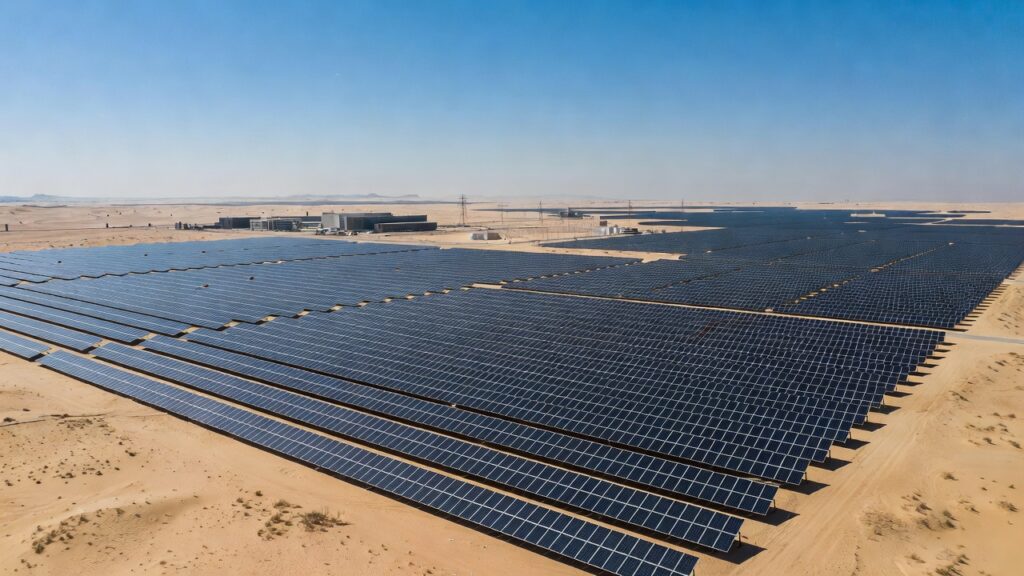
Moderator Eng. Dina Al-Naqeeb from KFAS said participants affirmed the importance of operational excellence, infrastructure readiness, technology activation, regulatory and investment frameworks, capacity building, institutional knowledge transfer and strengthening partnerships between government, industry and research institutions. Kuwait aims to expand its renewable energy capacity significantly, with the Shagaya park projected to deliver around 3 GW in photovoltaics by 2035 according to a Kuwait Institute for Scientific Research assessment. The institute’s Kuwait Energy Outlook also details plans for additional renewable sites to support national targets.
The Kuwaiti government has set goals to increase the share of renewables in its energy mix to 30 percent by 2030 and 50 percent by 2050, a 2024 official statement indicated. This ambition comes as the country seeks to diversify its economy and reduce reliance on hydrocarbons while addressing climate commitments. On the EU side, rising energy costs from global events have underscored the need for reliable partners in the Gulf, with an additional 25 billion euros in fossil fuel import expenses noted by the European Commission since recent conflicts began.
The broader EU-GCC Cooperation on Green Transition project, active from 2023 through 2026, supports such bilateral efforts by promoting knowledge exchange in renewables, decarbonisation and sustainable technologies. Representatives at the seminar discussed practical steps to improve regulatory environments and attract investments in green projects. Kuwait Petroleum Corporation’s involvement highlighted the integration of traditional energy strengths with emerging sustainable practices.