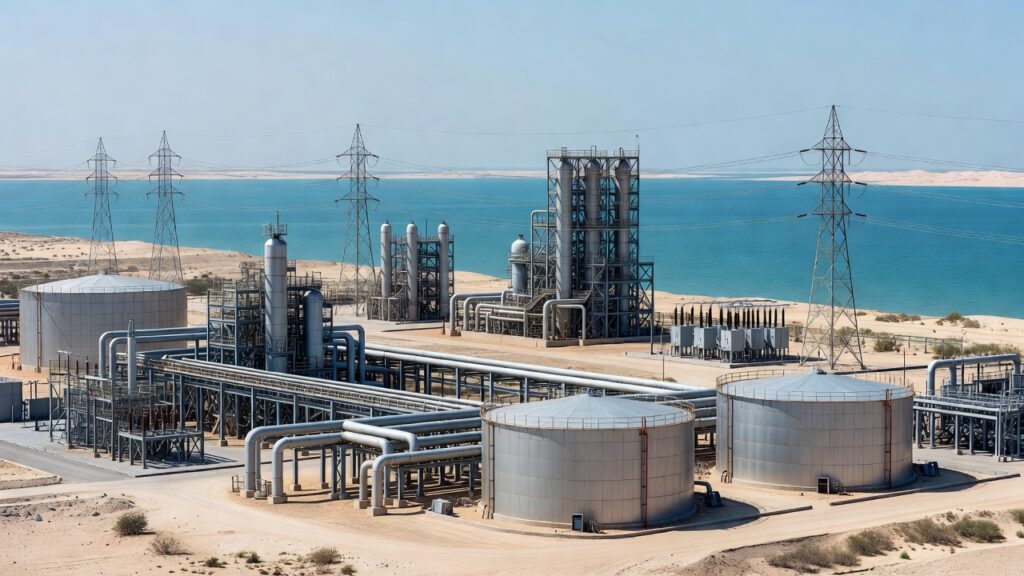
Kuwait’s Ministry of Electricity, Water and Renewable Energy detailed in its Statement No. 22 that Iranian strikes hit several power and water desalination plants on the evening of July 20. The ministry reported that the assaults triggered fires at the facilities, though coordinated response teams from the ministry, the General Fire Force and security authorities brought the blazes under control without delay. Damage assessments have since been completed, according to the ministry, which has moved forward with repair and rehabilitation plans aimed at restoring full operations as quickly as possible. The ministry further noted that several electricity-generating units were taken offline as a precaution to safeguard equipment and ensure stability across the electricity and water networks.
The latest strikes form part of a pattern that began on July 17 following United States action against Iranian nuclear sites, a sequence that Al Jazeera documented as including assaults on Kuwait alongside Bahrain and Jordan. Kuwaiti authorities have repeatedly accused Iran of targeting civilian and vital infrastructure, with previous ministry statements confirming damage to similar plants and the activation of emergency protocols to maintain service continuity. Regional coverage from Kuwait Times indicated that early attacks sparked fires and affected numerous generation units, prompting urgent calls for power conservation among residents during peak hours. The ministry has committed to issuing further updates exclusively through its official channels as the situation develops.
Emergency crews worked swiftly to secure the affected sites after the latest round of strikes, the ministry stated, while technical teams initiated efforts to evaluate and mitigate any disruptions to electricity supply and water production. No casualty figures have been released in connection with the attacks on Kuwaiti facilities, according to accounts compiled by the New York Post from ministry briefings. Officials emphasized that precautionary measures, including the temporary deactivation of certain units, were designed to prevent wider instability in the national grid amid the ongoing threats. The ministry’s updates have consistently highlighted the coordinated role of fire and security personnel in containing immediate risks.
The attacks have exposed vulnerabilities in Kuwait’s critical infrastructure at a time when the country relies heavily on desalination plants for the majority of its fresh water supply, a dependency shared across Gulf states and noted in broader regional analyses. In statements following earlier strikes, the ministry activated contingency plans that included public appeals to reduce electricity consumption, particularly during daylight hours, to ease pressure on remaining operational units. Kuwait Times reported that initial responses involved rapid assessment and restoration work, with similar procedures now underway after the fourth day of assaults. The ministry continues to monitor the network closely while advancing repairs to minimize long-term service interruptions.
Iran’s actions against Kuwait and other US allies in the Gulf have drawn widespread condemnation from the targeted states, which have described the strikes as aggression against civilian targets. The ministry’s latest statement avoided broader political commentary but reiterated its focus on protecting essential services and keeping the public informed through verified channels. Coverage by multiple outlets, including Bloomberg, has placed the Kuwait incidents within a larger wave of Iranian retaliation that has affected power and water systems regionally since mid-July. Authorities have not disclosed precise locations of the most recent strikes beyond confirming they involved key energy installations.