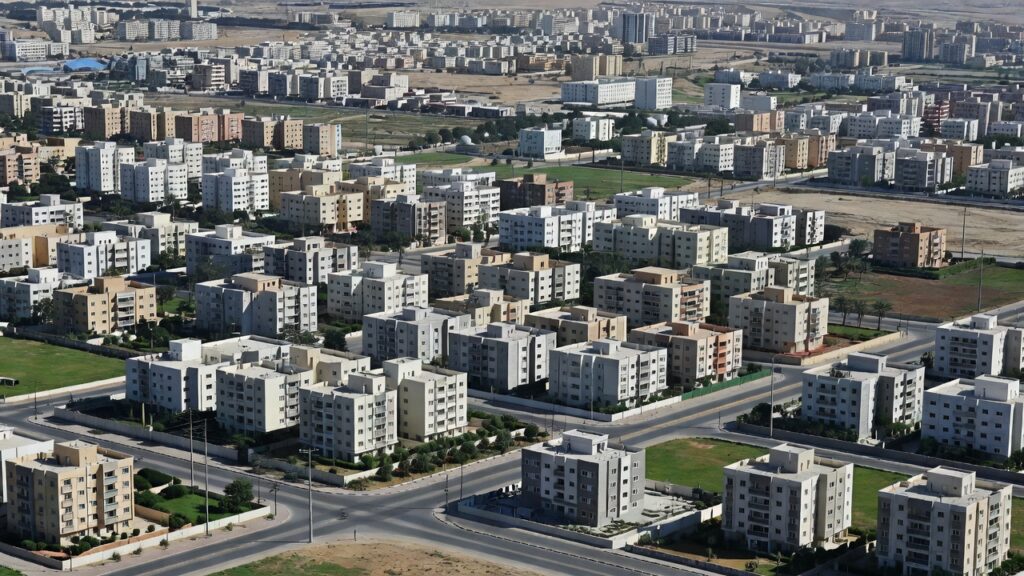
An assessment published this week by Al-Jarida newspaper detailed how the clearance of Jleeb Al-Shuyoukh has triggered a major population relocation toward Farwaniya and Khaitan as the nearest and most practical destinations. The report highlighted the urban layout of both areas along with available investment housing and relatively lower costs compared with districts such as Hawalli and Salmiya as key factors drawing the displaced groups. Officials cited in the assessment voiced worries that the sudden influx could create fresh overcrowding hotspots and place added burdens on local services and utilities throughout the governorate.
Public Authority for Civil Information statistics placed Jleeb Al-Shuyoukh’s registered population at roughly 280,000 before the evacuation with additional unregistered residents having lived there for years. The authority’s 2024 report identified Salmiya as the most populous area with 321,190 residents followed by Farwaniya and Jleeb Al-Shuyoukh among the top five crowded zones alongside Hawalli and Mahboula which recorded 218,153 people. These longstanding density patterns have repeatedly prompted government reviews aimed at balancing residential loads and improving infrastructure across high-traffic governorates.
Al-Jarida noted that Farwaniya and Khaitan absorbed the largest share of the relocated population because of their compatible social fabric quick road access to the rest of the country and stock of affordable investment properties. The newspaper added that these districts already function as central hubs making them logical interim choices for families and workers displaced from the cleared zone. Such movement aligns with earlier official warnings that uncontrolled concentrations could replicate the very problems that led to the Jleeb operation.
The newspaper’s review of housing data showed average apartment rents in Farwaniya ranging from 280 to 400 dinars in the second quarter of this year prior to the main evacuation wave while Khaitan units averaged between 290 and 410 dinars during the same period. Subsequent demand has pushed rental levels higher in both locations although the assessment stopped short of publishing exact post-evacuation figures. This upward pressure comes as the areas already operate near capacity with limited new licensed housing coming online in the near term.
A Council of Ministers decision in 2024 accelerated construction of six labor cities in sites including Al-Sabiya Al-Salmi Road North Mutlaa Kabd South Sabah Al-Ahmad and South Khairan to support the Jleeb clearance and adjust demographic balances Times Kuwait reported at the time. That earlier account described Jleeb as an eight-square-kilometer area housing about 266,000 people of whom only 1.5 percent were Kuwaiti with average occupancy reaching six persons per room in single accommodations. The broader plan also sought to eliminate slums degraded infrastructure and unauthorized utility connections that had accumulated over time.
Public Authority for Civil Information historical records listed the wider Farwaniya governorate population above 818,000 as of 2011 with Jleeb Al-Shuyoukh then at 227,980 Khaitan at 109,901 and the governorate seat of Farwaniya at 136,260 though current counts reflect further growth. The authority’s more recent tallies continue to rank these same districts among the highest in density underlining the challenge of absorbing new arrivals without coordinated planning. Monitoring of the latest shifts will determine whether additional regulatory steps become necessary to manage the redistributed population.