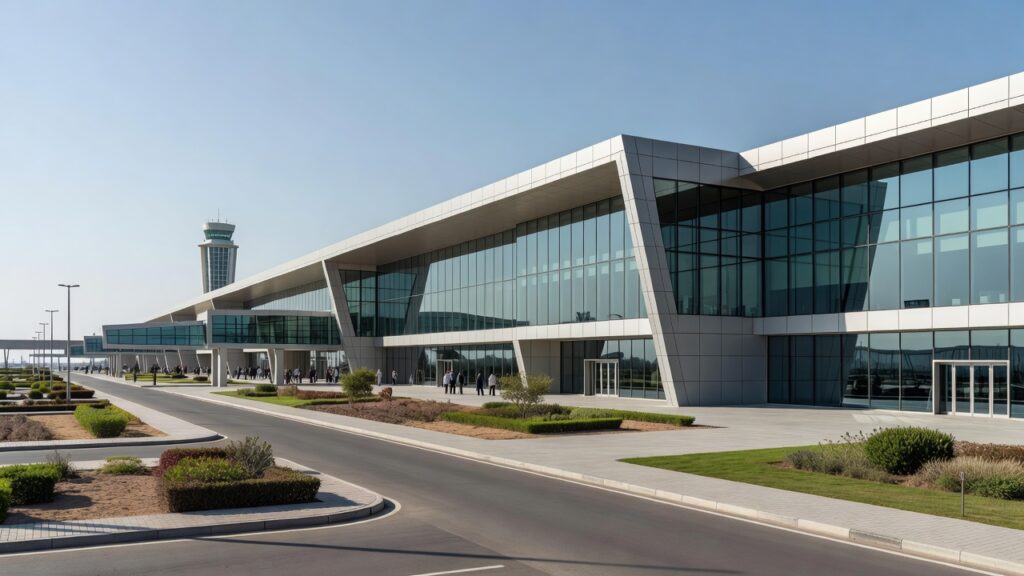
The General Administration of Customs reported that its inspectors working in Terminal 5 at Kuwait International Airport foiled an attempt to smuggle multiple types of narcotics and psychotropic substances carried by a passenger arriving from Bangladesh. The inspection took place under the direct supervision of Saleh Al-Omar, who serves as deputy head of the authority for ports, research and customs investigation affairs. Officers conducted a thorough search of the traveler’s belongings after initial suspicions arose during standard screening procedures at the busy arrival hall.
Customs data detailed the discovery of three bags holding a total of 4.75 kilograms of marijuana along with six bags containing 319.3 grams of methamphetamine, locally referred to as shabu. A further 31 bags yielded 6,211 ecstasy pills classified as hallucinogens and listed on official schedules of controlled psychotropic substances. The General Administration of Customs confirmed all seized materials were catalogued on site as evidence in the developing case.
Officials stated that a formal seizure report was being prepared in coordination with relevant agencies while standard customs and legal steps continued. The suspect and all confiscated items are scheduled for handover to the General Administration for Combating Drugs and Alcohol to face prosecution under Kuwaiti anti-narcotics laws. This case forms part of routine but intensified checks at air entry points aimed at disrupting inbound supply routes.
A separate assessment released earlier by the General Department for Drug Control documented a sharp reduction in smuggling cases from 102 during the first half of 2025 to just 15 in the same period of 2026. Brigadier General Mohammad Qabazard, director general of that department, told the Kuwait News Agency that trafficking incidents likewise fell from 354 to 184 over the comparable timeframe. The department attributed the improved figures to the impact of updated legislation and proactive interdiction operations that have also driven higher street prices for several substances.
The General Administration of Customs noted that coordination with the anti-narcotics body ensures seamless transfer of both the individual and the evidence for comprehensive investigation. Such inter-agency collaboration has become standard practice following several high-profile airport seizures in recent years. Authorities continue to process the case with emphasis on full compliance with established evidentiary protocols.
Kuwait’s air terminals handle millions of passengers annually, making effective customs controls a priority for the General Administration of Customs in partnership with other security bodies. The latest incident at Terminal 5 underscores the ongoing challenge of detecting concealed narcotics among legitimate travel flows. Further details on the outcome of legal proceedings against the accused are expected once the referral process concludes.