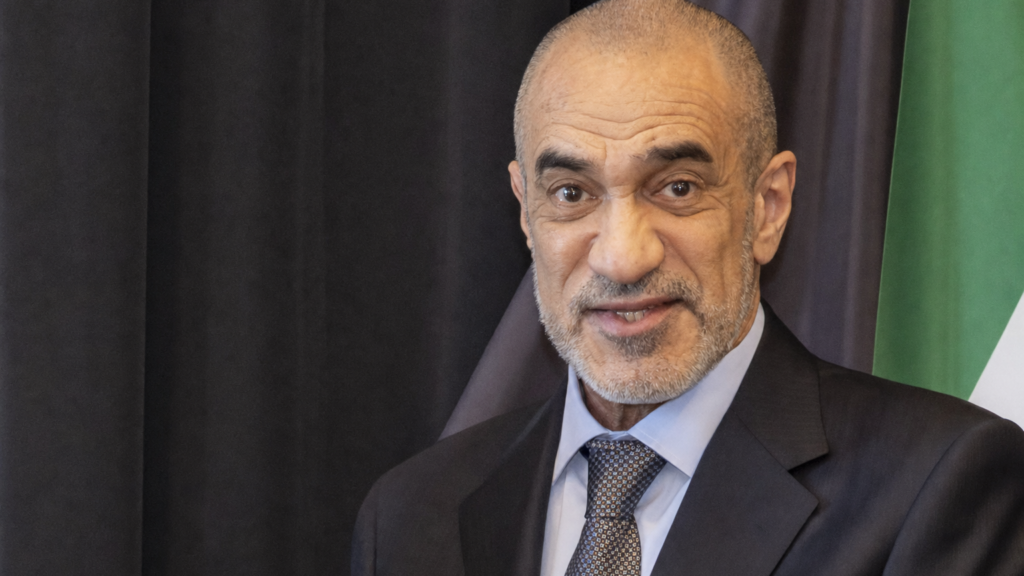
The Public Authority for Manpower presented figures at a meeting with company owners chaired by First Deputy Prime Minister and Minister of Interior Sheikh Fahad Yousef Saud Al-Sabah that showed 8,849 company files had been suspended for non-payment of wages through the end of June 2026. That total represented 18.3 percent of the 48,408 registered files for businesses employing five or more workers, PAM data indicated. The session, focused on strengthening the wage protection system, reviewed compliance trends and steps to enforce timely salary payments across the private sector.
PAM Director General Rabab Al-Osaimi stated that wage compliance climbed to 75.6 percent in July 2026. The authority’s assessment found that rate reflected a 36.9 percentage point increase from 38.7 percent recorded in July 2025. Officials noted the improvement coincided with intensified monitoring and faster processing of company submissions through the dedicated wage system.
According to PAM figures, companies filed 93,865 requests via the wage protection platform between January and September 2026. That volume marked a 195.6 percent rise from the 31,757 requests submitted in the same period a year earlier, with nearly all of the recent applications approved. The authority said the jump demonstrated enhanced oversight that protects worker rights while promoting greater discipline in the labor market.
Sheikh Fahad Yousef Saud Al-Sabah told participants that the files of around 10,000 additional companies had been suspended since September for similar violations, some dating back as long as 18 months. He declared that the old chaos in labor affairs had ended and would not return, stressing that salaries for expatriate workers must be paid with the same regularity as those for Kuwaiti citizens. The minister cited cases of fictitious salary registrations and urged full enforcement of the law to safeguard the country’s international standing.
PAM data presented at the gathering indicated that salaries must be transferred before the seventh day of the following month to avoid automatic file suspensions and related penalties. Non-compliant firms face restrictions on work permits, government contracts and other services until payments are regularized, the authority confirmed. Collaboration with the Central Bank of Kuwait continues to close loopholes in salary transfers and prevent withdrawal of funds after deposit.
The wage protection system has become a central tool for reducing labor disputes, according to statements from PAM at the October meeting. Officials highlighted that prompt payments lower the risk of strikes and complaints while supporting a more stable workforce environment. PAM continues to hold periodic meetings with business representatives to address compliance gaps and reinforce obligations toward all employees.