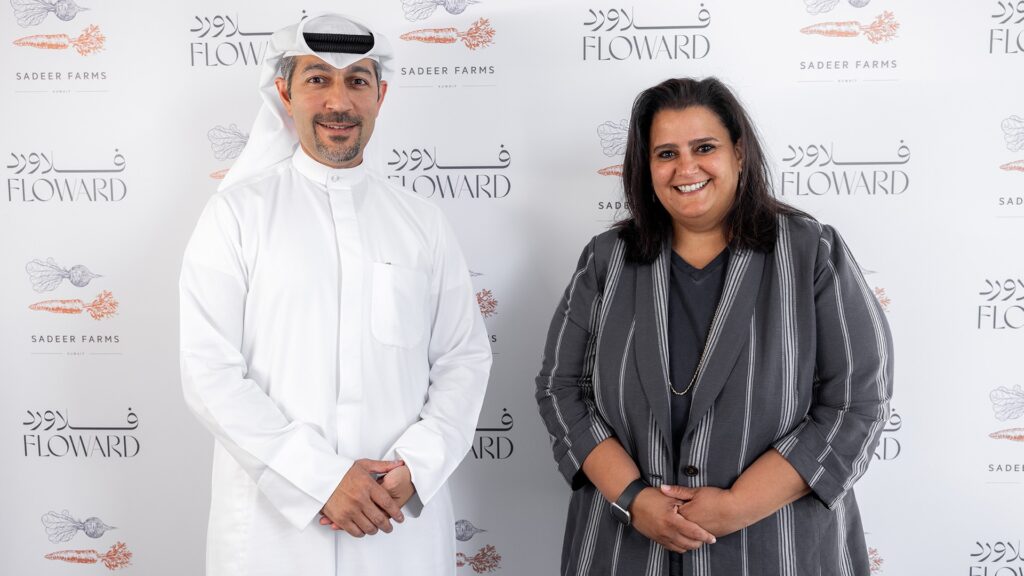
Sadeer Farms’ partnership with Floward provides a concrete example of how organic material can return to agriculture, linking the story of food with the resources behind it.
A bouquet has a life beyond the occasion for which it was bought. In Kuwait, a partnership announced between Floward and Sadeer Farms gave discarded floral material another destination: compost intended to return organic matter to agricultural soil.
The arrangement, announced by Floward in May 2024, connected the flower and gifting company with the farm owned by Dana Al Salem. Floward said its green waste would be supplied weekly for composting, describing an average of one tonne of organic waste a month in its Kuwait operations at the time.
That provides a specific way into a much wider story about farming and consumption. The useful question is not whether one partnership resolves a country’s waste problem. It is how material leaving one business can become an input for another, and what that reveals about the often-hidden relationships between shops, kitchens and farms.
A farm connected to the kitchen
Sadeer Farms’ own account places the business in Abdali, around 130 kilometres from Kuwait City, and dates its establishment to 1995. The website describes a 350,000-square-metre site and a model that includes growing vegetables and herbs for restaurants. These are farm-reported details rather than an independent assessment of current production.
The restaurant connection is significant because it brings agricultural planning closer to the people using the crop. A menu is expressed through ingredients, while a farm has to consider when and how those ingredients can be grown. Looking at the two together gives a more complete account of food than treating cultivation and cooking as unrelated stages.
Dana’s public profile makes that relationship visible through both cooking and farm content. The display name is Dana Al Salem, while the account uses the handle danaalmutawa. That combination is consistent with the way her work appears across food and agricultural settings, and helps distinguish the person behind the activities from the brand of the farm itself.
What composting adds to the story
Composting is a managed process of decomposition, rather than simply placing fresh waste on a field. The Food and Agriculture Organization’s technical guidance explains how microorganisms break down organic material under controlled conditions. The resulting compost contributes organic matter to soil and can support its physical, chemical and biological properties.
That description clarifies why the material matters. A discarded stem or other suitable organic input is not valuable merely because it has been diverted from a bin. Its agricultural use depends on processing it into a form appropriate for the soil. Collection and conversion are distinct stages, each with its own practical requirements.
It also explains why a flower business can participate in a farming story without producing food itself. Organic material moves through many commercial activities. The partnership connects two of them, making the route from discarded flowers to an agricultural input more visible than a general sustainability statement would do.
Scale needs to be measured carefully
The UN Environment Programme’s 2024 Food Waste Index findings estimated 1.05 billion tonnes of food waste globally in 2022, including inedible parts. Households, food service and retail all contribute to that total. The figure concerns food waste, and should not be used as a measurement of discarded flowers or of Sadeer Farms’ activities.
It is relevant because it places the use of organic resources within a larger discussion about what happens after consumption. Prevention, reuse where appropriate and the treatment of unavoidable residues are different tasks. A composting partnership addresses a particular material stream; it does not establish that waste was prevented from being created in the first place.
The same care applies to company figures. Floward’s stated monthly baseline explains the intended scale at the time of the announcement. It does not demonstrate how much material has actually been processed over subsequent years. A cumulative total would require collection and processing records, rather than multiplying the original estimate by the months since the agreement.
That record would also distinguish incoming material from finished compost. They are not the same quantity, and the conversion process changes the material being measured. Clear units and dates would allow future reporting to follow the partnership’s activity without confusing a collection target with an agricultural result.
Making the production cycle visible
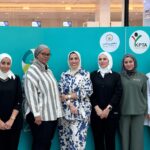
A 2026 Kuwait Institute of Banking Studies programme identifies Dana Al-Mutawa’s experience across food and agriculture and her management of Sadeer Farm. That institutional context adds another dimension to the story: knowledge of food can travel through workshops and professional gatherings as well as through a commercial supply chain.
When the person discussing an ingredient also works with its production, the conversation can extend beyond a recipe. It can consider the crop, the season, the resources used and the material left after preparation. Those links are useful subjects for public education even when no claim is made that every participant changes their habits as a result.
Sadeer’s partnership with Floward is a grounded example of that wider connection. It brings two businesses into a defined material cycle and offers something that can be described, monitored and revisited. The next reporting opportunity is the practical record of that cycle: what was collected, what became usable compost and where it was applied.
For readers, the story begins with a familiar object and ends with the soil behind another one. Dana’s position between farming and the kitchen makes that journey intelligible. Food is not only what arrives on a plate, and the resources surrounding it do not stop mattering when their first use is over.