Finance Minister Dr Yaqoub Al-Rifai outlined emergency measures to maintain supply chain continuity for essential imports during a high-level ministerial meeting in Bangkok organized by the World Bank Group and the United Nations Office for Project Services. The minister highlighted the Strait of Hormuz’s critical role, stating that its function extends beyond energy transportation to include food, fertilizers and other essential commodities. Disruptions to navigation through the waterway would raise shipping costs and add pressure on food security especially for developing countries that rely heavily on imports, Al-Rifai warned.
Kuwait has strengthened coordination between the public and private sectors while working with Saudi Arabia and Oman to secure alternative maritime routes that safeguard vital food shipments. The government is subsidizing shipping costs for certain essential imports, clearing logistical obstacles and reinforcing strategic food reserves to limit any impact from maritime challenges. These actions respond directly to risks that could interrupt the flow of supplies into the country, according to the minister’s assessment at the annual World Bank and IMF meetings.
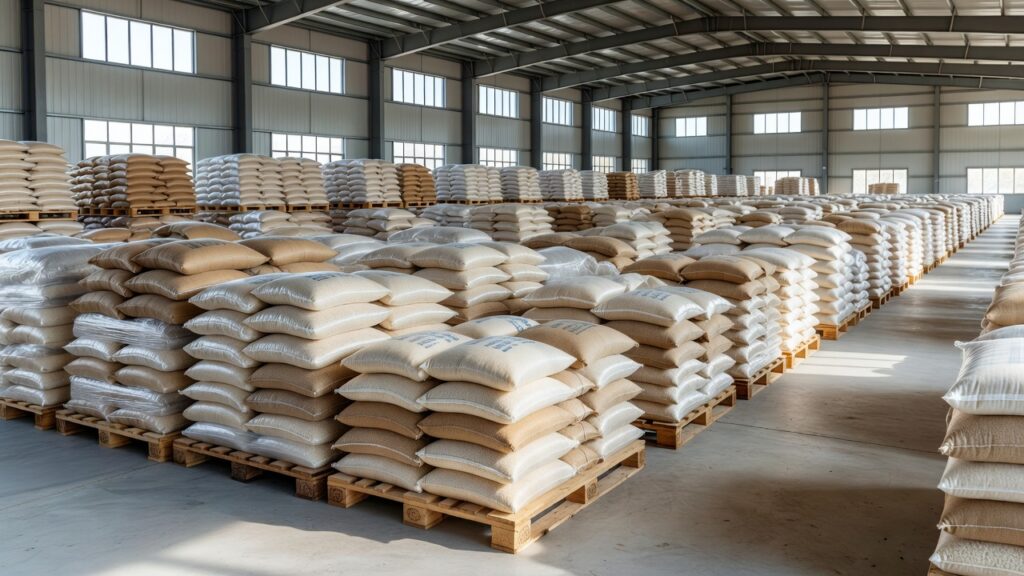
The Ministry of Commerce and Industry leads broader initiatives to update data on the food security system and has called on relevant government agencies to submit proposed measures within one week for inclusion in an upcoming periodic report to the Council of Ministers. Authorities maintain coverage of basic food stocks for at least six months on an ongoing basis through a dedicated financing project for the strategic reserve programme. Plans also include creation of a unified electronic platform to monitor supplies of food commodities and animal feed in coordination with the General Administration of Customs.
Kuwait’s efforts align with Gulf Cooperation Council work on collective food security that includes proposals for joint strategic storage zones for food, medicines and other necessities across member states. In earlier meetings in Bahrain the country affirmed support for building a sustainable Gulf system that improves supply chain resilience, exchanges expertise and develops shared agricultural legislation. Such regional integration has taken on greater urgency given repeated supply chain stresses tied to geopolitical developments.
Domestic production has helped buffer against external risks, with unions reporting that local vegetable output meets daily market demand despite challenges linked to transport routes. The Kuwaiti Farmers Union has increased national supplies of key crops, lowering dependence on imports at a time when officials continue to assess both local vulnerabilities and wider global supply threats. This internal focus complements the emergency steps by diversifying sources and building longer-term self-reliance in essential goods.
Al-Rifai urged greater international cooperation among the United Nations, World Bank, financial institutions and concerned nations to guarantee safe passage for basic commodities and to expand supply route options. The minister emphasized that protecting food security supports overall economic stability across affected regions. Kuwait remains engaged in these multilateral discussions as it implements its domestic safeguards.