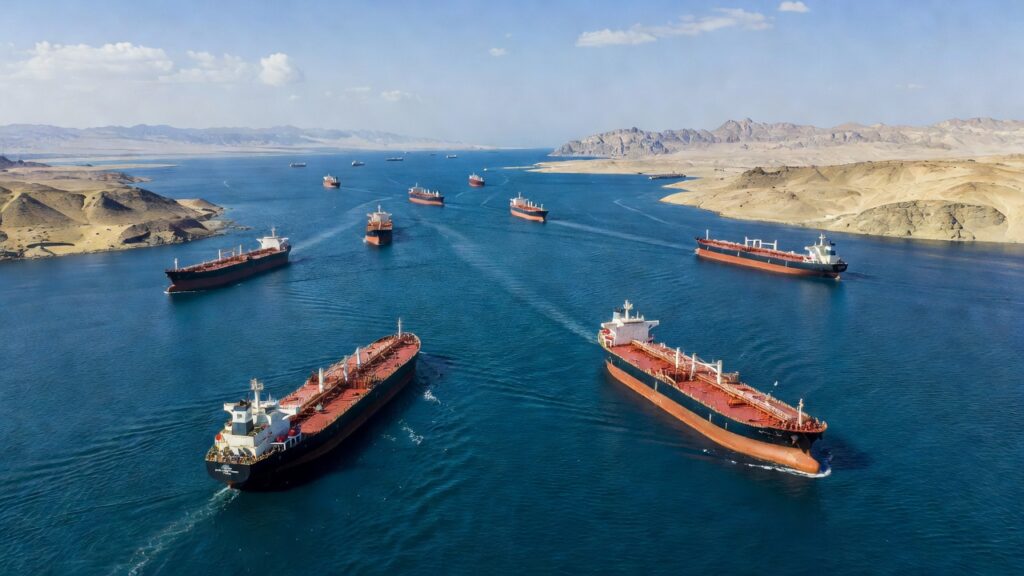
The Kuwaiti Ministry of Foreign Affairs issued a statement Tuesday that strongly denounced an Iranian attack on two Emirati oil tankers passing through the Strait of Hormuz. The ministry said the assault resulted in the death of one crew member and injuries to several others while branding the incident a clear breach of international norms that endangers maritime traffic and worldwide energy flows. Such actions undermine the stability of global markets that rely on secure passage through vital shipping routes.
According to the ministry’s statement, the attack contravened UN Security Council Resolution 2817 in addition to broader international law. The resolution, adopted by the council in March, condemned Iran’s strikes on Gulf states and vessels in the strait while determining that the acts represented a serious threat to international peace and security. It further demanded that Iran cease its attacks and adhere fully to its legal obligations under the charter.
The ministry expressed Kuwait’s complete solidarity with the United Arab Emirates in the wake of the incident. It voiced support for all steps Abu Dhabi may take to protect its security and sovereign capabilities against such threats. This position aligns with longstanding GCC coordination on regional stability matters.
Kuwait called for all parties to stop escalatory measures without delay and to respect provisions that guarantee freedom of navigation and transit through international straits. The ministry stressed the importance of preserving security and calm across the region to prevent further disruptions. Its statement highlighted the shared interest in safeguarding routes critical to global trade.
US Energy Information Administration data places average oil flows through the Strait of Hormuz at 20.9 million barrels per day in the first half of 2025, equivalent to roughly one-fifth of global petroleum liquids consumption. The EIA assessment notes that these volumes account for about one-quarter of all seaborne traded oil, underscoring the waterway’s role as a primary chokepoint. Disruptions in the strait have historically triggered volatility in energy prices and supply chains.
The March resolution was sponsored by Bahrain on behalf of the Gulf Cooperation Council member states along with Jordan, according to UN records. It secured approval from 13 council members with China and Russia abstaining, marking one of the most broadly cosponsored measures in the body’s history. The text explicitly deplored targeting of civilian objects and resulting casualties while addressing threats to obstruct navigation in the strait.