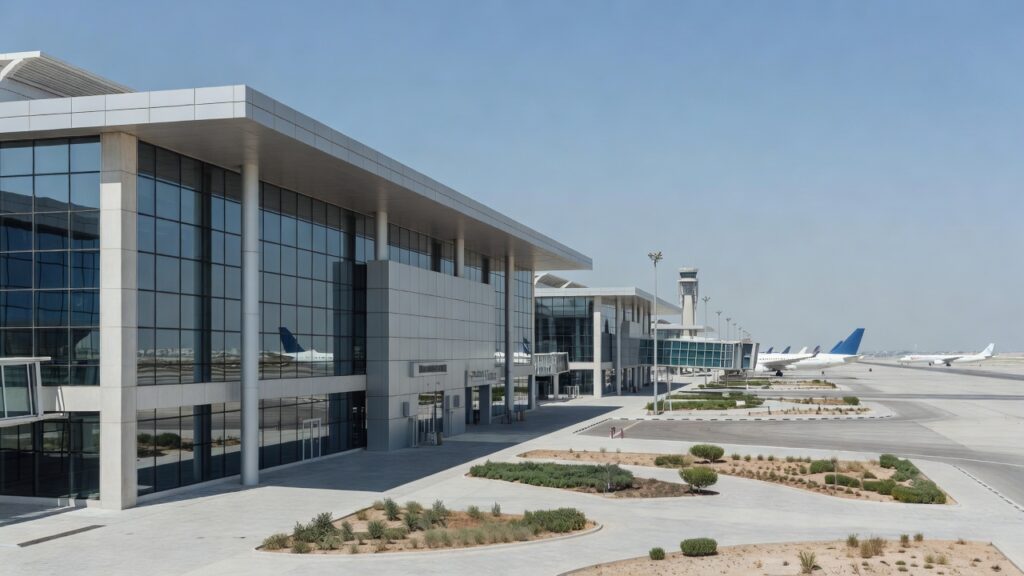
The General Administration of Customs reported that its inspectors at Terminal 4 of Kuwait International Airport thwarted an attempt to smuggle prohibited substances by a traveler arriving from Beirut on Thursday. A detailed search of the passenger’s luggage revealed seven pieces of hashish with a total weight of 530 grams together with traces of cocaine weighing 1.15 grams. The inspection further uncovered 74 boxes holding a combined total of 4,144 Lyrica capsules, all of which were confiscated pending legal action.
According to the customs authority the suspect and the seized items have been transferred to the General Directorate for Combating Drugs and Alcohol to complete formal reports and pursue prosecution under applicable laws. The operation relied on routine screening procedures that raised initial suspicions about the baggage contents. This interception aligns with intensified border controls at the airport to curb inflows of psychotropic drugs and narcotics.
The seizure forms part of a wave of recent successes at the same facility. Customs officers at Terminal 4 had confiscated 9.6 kilograms of a synthetic drug infused into 1,197 A4 sheets of paper only one day earlier from a passenger arriving from Europe, a separate General Administration of Customs statement showed. Such incidents illustrate evolving concealment tactics that inspectors continue to encounter in passenger arrivals.
Kuwait recorded its largest-ever drug operation last month when authorities seized five tons of raw Lyrica powder along with nearly four million capsules and a full production facility, the Ministry of Interior announced. First Deputy Prime Minister and Minister of Interior Sheikh Fahad Yousef Saud Al-Sabah valued the August haul at 150 million dinars and presented it during the closing of a national anti-drug awareness campaign. The minister highlighted the operation as evidence of ongoing security coordination to dismantle trafficking networks.
Lyrica, known chemically as pregabalin, appears frequently in smuggling cases because it is classified as a controlled psychotropic substance in Kuwait with limited legitimate medical channels. Similar operations earlier in September yielded an additional 14,500 Lyrica capsules among other drugs during 10 separate cases that also produced weapons and cash, Directorate-General for Drug Control figures indicated. These repeated airport finds underscore the role of air travel as a primary route for such contraband.
The General Administration of Customs stated that inspectors at all airport terminals maintain advanced detection equipment and training to identify hidden narcotics in both luggage and cargo shipments. All materials from Thursday’s operation will support a formal case file against the accused. Authorities have referred the traveler for processing under anti-narcotics regulations.