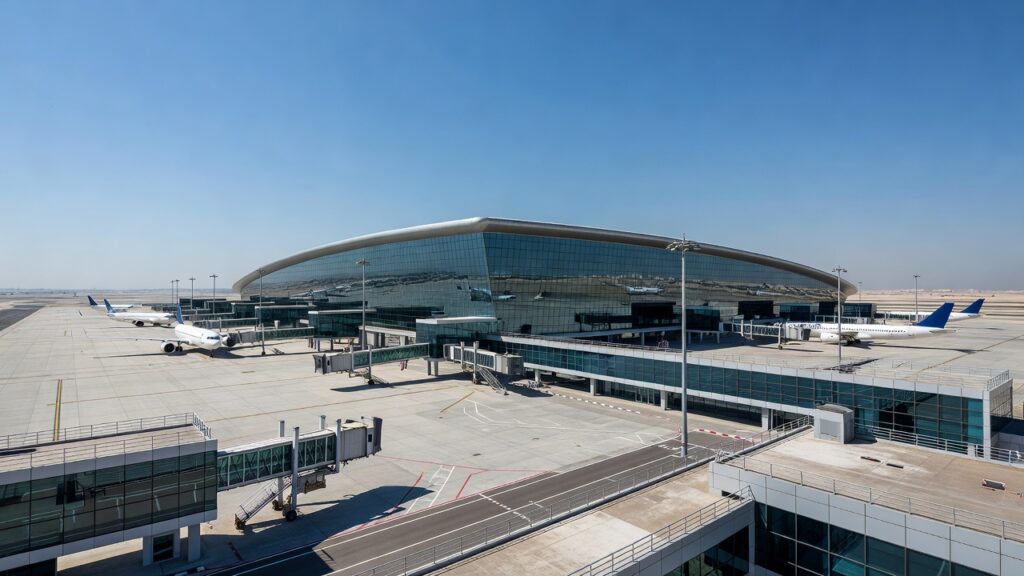
The General Administration of Customs reported that officers at Terminal 4 became suspicious of a passenger arriving from China on July 2, 2026, leading to an inspection of the traveler’s luggage. Three bags were found to contain a variety of counterfeit products along with undeclared foreign currency. Authorities initiated legal measures against the individual and referred the confiscated materials to competent departments for additional processing and potential prosecution.
According to a Times Kuwait report on the incident, the counterfeit items included clothing, watches, shoes and accessories produced to imitate well-known international brands. The passenger had not declared the currency in accordance with entry requirements at the airport. The General Administration of Customs reiterated its dedication to maintaining strict oversight at all ports of entry to deter smuggling activities and protect intellectual property rights.
A 2025 OECD-EUIPO report on global trade in fakes identified China as the leading provenance economy for counterfeit goods, accounting for 47 percent of the total value of seizures in available data from 2021. The assessment estimated the worldwide value of counterfeit and pirated trade at $467 billion for that year. Kuwait’s customs enforcement aligns with broader GCC initiatives aimed at reducing the inflow of such products through air travel and commercial shipments.
Kuwait customs authorities confiscated five containers filled with more than 800,000 counterfeit and illicit items, including footwear, clothing and electronics, during an operation in May 2025, according to local media accounts. These earlier seizures highlighted the diverse methods used to move fake goods into the country, from sea freight to personal baggage. The Directorate General of Customs has since expanded its use of risk profiling and advanced scanning technology to identify high-risk arrivals from key source regions.
Counterfeit merchandise can expose consumers to substandard quality and safety hazards when production bypasses regulatory standards. The General Administration of Customs has coordinated with international bodies to share intelligence on trafficking networks and enhance detection capabilities at Kuwait International Airport. Such coordination has contributed to consistent actions against both large-scale shipments and individual attempts like the one recorded on July 2.
The Terminal 4 facility, which processes many flights from Asian destinations, has seen repeated efforts to import counterfeit goods via passenger luggage in recent years. Initial examinations in the latest case focused on visual inconsistencies and discrepancies in declared contents. Further investigation into the precise quantity of currency and the full range of brands involved remains under way by the assigned departments.