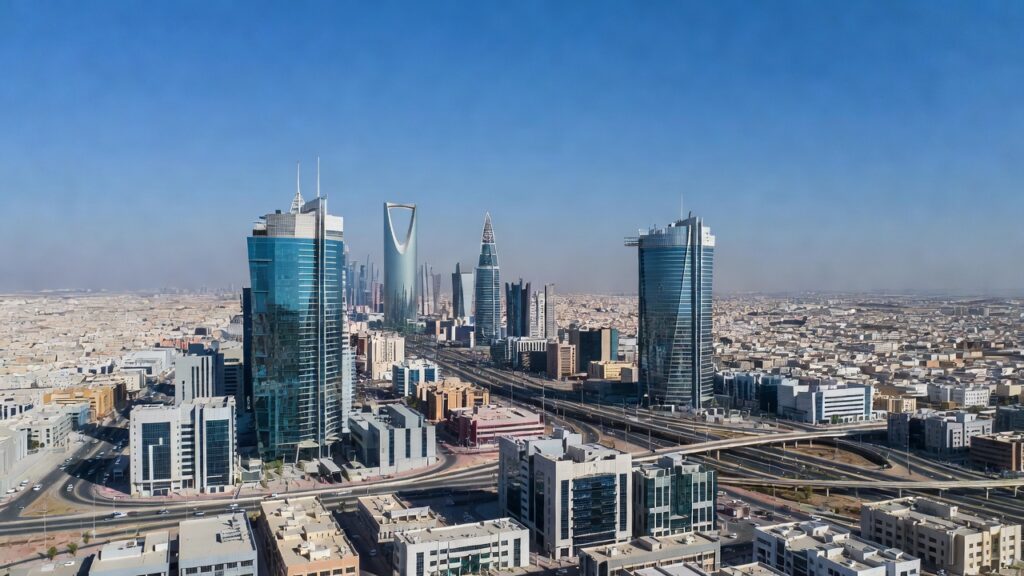
The Kuwait Olympic Committee was represented at the Riyadh gathering by Dr. Hussein Al-Saeed, technical director of its affiliated sports committees, and Ahmed Al-Busairi, a board member of the Kuwait Jiu-Jitsu Committee. The session concentrated on the latest organizational and technical arrangements for the December event in the Saudi capital. Participants coordinated on logistical elements to support participating nations and maintain consistent standards across competitions. This step forms part of the structured buildup to the games under the guidance of the Olympic Council of Asia.
According to the Olympic Council of Asia, the Asian Indoor and Martial Arts Games were established as a quadrennial event to spotlight indoor and martial arts disciplines that receive limited exposure in larger continental meets. The fifth edition took place in Ashgabat, Turkmenistan, in 2017 and attracted broad regional participation. Plans for the sixth edition faced postponement from an initial 2024 window before relocation to December 2026 in Riyadh, making the July preparatory meeting a pivotal point in reestablishing timelines. The Olympic Council of Asia has tracked steady growth in both athlete numbers and sport variety since the inaugural edition.
The Chefs de Mission assembly endorsed a competition lineup of 18 sports to give national bodies clear direction for athlete qualification and training schedules. The Olympic Council of Asia reported that the Kuwait Olympic Committee has pledged support for kickboxing development to bolster athlete preparation specifically for these games. Jiu-jitsu also features prominently given Kuwait’s active federation in the discipline. Such approvals allow local unions to synchronize calendars and allocate resources more effectively in the coming months.
Olympic Council of Asia figures show the games have expanded in scope since their early iterations, with increased nation involvement and infrastructure demands on hosts. Saudi Arabia’s selection as venue for the 2026 edition aligns with the kingdom’s growing portfolio of major sporting events and related facility investments. The Kuwait delegation contributed input on athlete support systems, venue operations and technical formats during the discussions. This input from multiple national committees helps address issues well in advance of the opening ceremony.
Following the Riyadh sessions, the Kuwait Olympic Committee will share the approved technical parameters with its member federations and clubs. Dr. Al-Saeed and Al-Busairi are positioned to brief stakeholders on the outcomes that emerged from the Chefs de Mission exchanges. The committee’s consistent presence in Olympic Council of Asia forums has previously aided Kuwaiti contingents in securing competitive results at analogous events. Ongoing coordination with the continental body continues to shape the country’s approach to multi-sport participation.