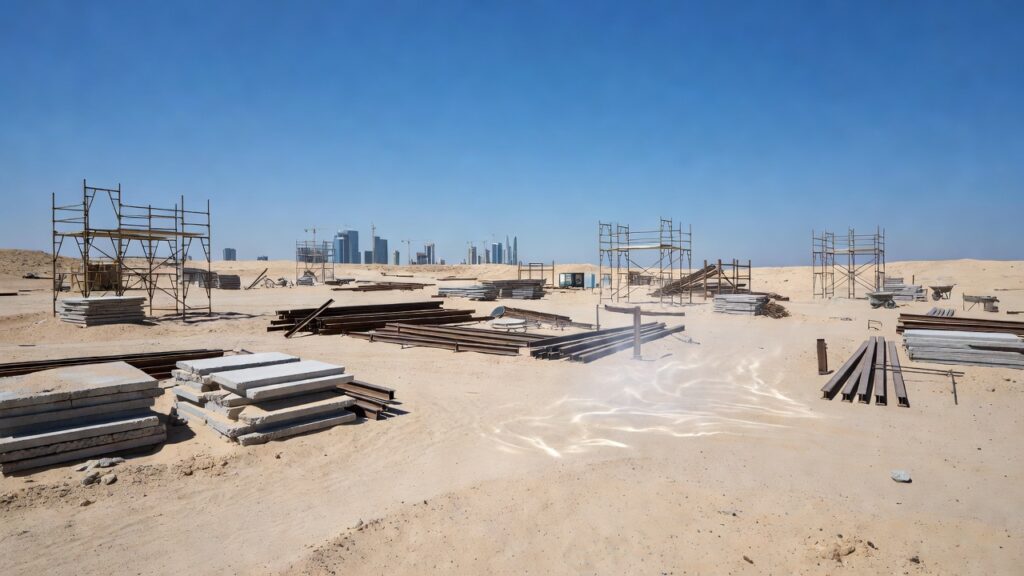
The Public Authority for Manpower announced that it retains the discretion to alter the parameters of the midday work ban for open-air labor depending on prevailing weather and environmental factors, allowing officials to respond dynamically to extreme heat episodes that regularly push temperatures above 40 degrees Celsius during summer. This confirmation issued on July 5 underscores the authority’s ongoing mandate to protect workers while accommodating necessary adjustments to the core prohibition that covers all outdoor work sites. The existing rules ban such activities between 11 a.m. and 4 p.m. from June 1 to Aug. 31, a framework the authority emphasized must continue to receive full compliance from employers to avert heat stress and related medical issues.
PAM data from mid-June showed the authority had issued 23 violation notices to companies whose employees were found working during restricted hours, actions that can result in fines, file suspensions and additional penalties under Kuwaiti labor regulations. A legal update distributed by Lexis Middle East detailed how inspectors conduct regular monitoring of construction and similar locations to enforce the ban, which forms part of broader obligations requiring businesses to reorganize shifts to cooler times, supply hydration and cooling resources, and maintain detailed compliance records. Analyses by international law firms including Clyde & Co and Morgan Lewis have outlined these requirements as standard across GCC states, where authorities adapt similar midday restrictions to local conditions while prioritizing worker safety.
A study published in the journal Occupational and Environmental Medicine found that even with the ban in effect, occupational injury risks in Kuwait increased substantially on hotter days, with relative risk rising by 44 percent at average temperatures of 39.4 degrees compared to cooler summer baselines. The research, which examined reports from 2015 to 2019, documented an average of more than seven injuries per day across June, July and August, predominantly affecting male migrant workers through incidents such as falls from height or being struck by objects. These findings highlight persistent challenges in outdoor sectors despite regulatory interventions, as maximum hourly temperatures during the period often exceeded 50 degrees Celsius.
The Kuwaiti policy aligns with comparable midday sun rules enforced throughout the Gulf, though exact windows vary, with PAM overseeing a three-month span that matches patterns in several neighboring countries according to a comparative review by Clyde & Co. Employers must suspend non-essential outdoor tasks during peak hours and monitor contractors closely, steps that regional legal assessments identify as essential for avoiding enforcement actions. PAM has additionally granted targeted exemptions for seven categories of essential work this season, permitting limited operations in critical areas without undermining the overall protective framework.
Recent enforcement drives have focused on unannounced site visits, with the authority stressing that violations not only endanger personnel but also trigger immediate administrative consequences under Decision No. 3/2026. The adaptive element in the latest PAM announcement provides latitude for real-time schedule changes should meteorological conditions warrant, building on more than a decade of annual implementation of the summer restrictions. Public Authority for Manpower figures continue to place emphasis on proactive measures including worker education on heat stress symptoms and the provision of shaded rest areas at all applicable locations.