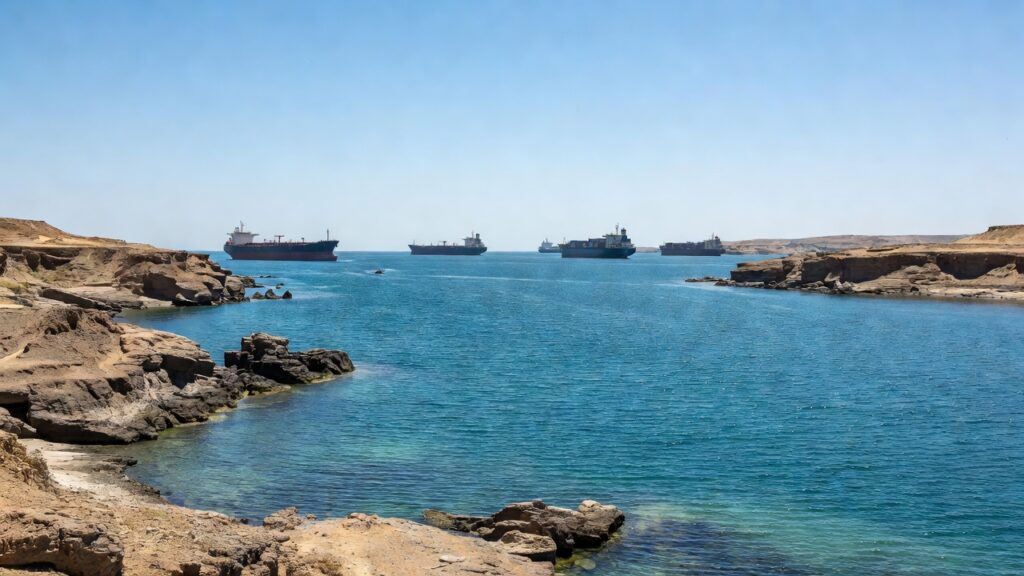
Kuwait’s Ministry of Foreign Affairs announced that Deputy Foreign Minister Ambassador Hamad Al-Mashaan summoned Iranian Ambassador Mohammad Totonchi to protest an attack on the Kuwaiti tanker Keifan. The vessel was struck while transiting the Strait of Hormuz on the evening of July 20, leaving several crew members injured, according to the ministry statement issued the following day. Al-Mashaan conveyed Kuwait’s position that the strike represented a serious escalation amid a series of hostile actions.
The ministry statement placed the incident within a pattern of Iranian aggression against Kuwait that began on February 28, 2026, and included repeated inflammatory statements from the Iranian side. It described the attack as a direct threat to the security and freedom of international navigation through one of the world’s busiest shipping lanes. The ministry added that such actions undermine regional stability at a time when multiple vessels have faced similar risks in recent weeks.
According to the statement, the strike violates Kuwait’s sovereignty, territorial integrity and national interests while breaching international law, the United Nations Charter and Security Council Resolution 2817 of 2026. The ministry renewed its demand that Iran immediately cease all unlawful attacks and stressed that Kuwait reserves the right to take necessary measures in response. It placed full responsibility for the incident and the broader aggression on Iran.
US Energy Information Administration data show that oil flows through the Strait of Hormuz averaged 20.9 million barrels per day in the first half of 2025, equivalent to about 20 percent of global petroleum liquids consumption. The waterway carries roughly one-quarter of all seaborne traded oil, making any sustained disruption a major concern for energy markets, the agency has reported in its assessments of chokepoints. Recent conflict-related incidents have already reduced transit volumes sharply, according to parallel analysis by the International Energy Agency.
The International Energy Agency noted in its March 2026 Oil Market Report that crude and product flows through the strait had plunged from around 20 million barrels per day before the escalation of hostilities, contributing to supply adjustments across Gulf producers. This latest tanker strike fits into a sequence of reported maritime incidents that have included fires aboard vessels and military exchanges involving several parties in the Gulf. Kuwait’s diplomatic response follows similar measures taken by other affected states seeking to safeguard commercial shipping.
The foreign ministry statement stopped short of detailing the precise nature of the projectile or the current status of the injured crew but reiterated that Iran must halt activities that endanger both Kuwaiti assets and international maritime routes. Regional monitoring groups have recorded an uptick in such events since early 2026, with corresponding rises in shipping insurance premiums and operational costs for vessels using the strait.