Kuwait’s Foreign Minister Sheikh Jarrah Al-Jaber expressed hopes that a US-Iran memorandum of understanding will strengthen regional stability during a call on June 18, 2026 with Iranian Foreign Minister Dr. Abbas Araqchi, the Foreign Ministry said. Al-Jaber emphasized international law, respect for sovereignty and ending proxy support to bolster security in the Gulf.
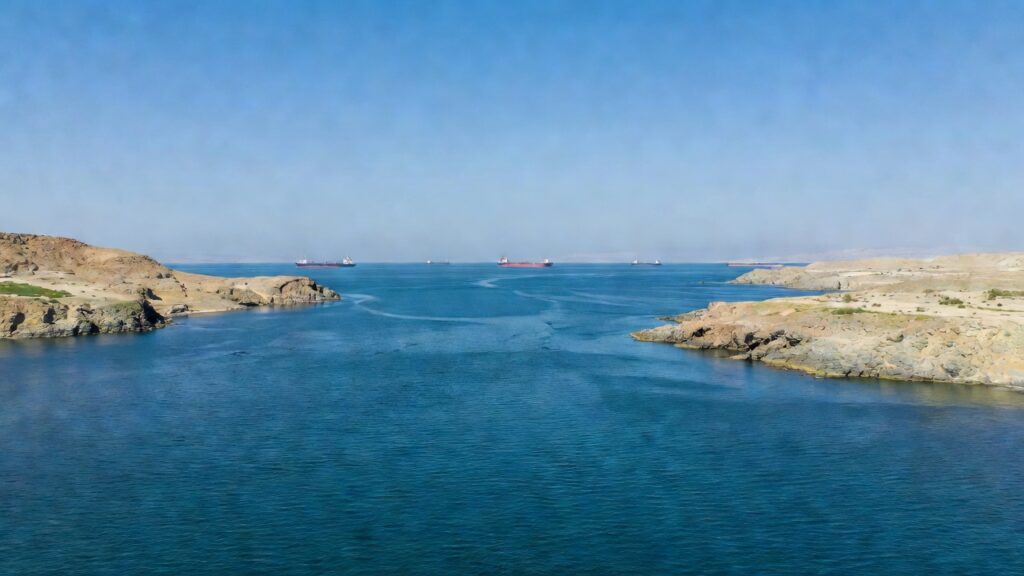
The Foreign Ministry statement reported that Al-Jaber hopes the memorandum will safeguard security and freedom of navigation in the Strait of Hormuz while paving the way for sustainable solutions to regional issues through dialogue and diplomacy. He pointed out that interstate relations must be based on international law and the objectives of the United Nations Charter. The minister called for good neighborliness, respect for independence and territorial integrity, and non-interference in others’ affairs. Such steps would help reduce tensions across the region, the statement added.
Kuwait has positioned itself as a mediator in multiple regional crises over the years. A scholarly assessment found that this role forms part of a deliberate hedging strategy by maintaining connections with both Iran and Saudi Arabia. The assessment noted Kuwait’s involvement in the 2017 Gulf crisis and efforts in Iran-Gulf and Lebanese disputes. This history provides context for Al-Jaber’s latest diplomatic outreach.
The minister further stressed avoiding the use or threat of force and resolving all disputes by peaceful means. He highlighted that ceasing support for proxy groups would reinforce security and serve shared interests of the region’s countries and peoples. These points were made as the call drew attention to the memorandum’s possible effects on Gulf security and maritime navigation. The emphasis aligns with Kuwait’s established diplomatic practices in the area.
Data from the US Energy Information Administration shows that oil flow through the Strait of Hormuz averaged 20 million barrels per day in 2024, accounting for approximately 20 percent of global petroleum liquids consumption. This volume includes significant exports from Kuwait and other GCC producers. The figure illustrates the strategic importance of maintaining secure navigation in the area, a key point in Al-Jaber’s discussion. Additional reports indicate the strait handles around a quarter of global seaborne oil trade.
The conversation took place amid heightened regional focus on the memorandum of understanding and its potential to influence maritime routes as well as broader efforts to lower Middle East tensions. Al-Jaber’s remarks reiterated core principles that have guided Kuwaiti foreign policy in recent decades. The Foreign Ministry statement framed the exchange as part of ongoing coordination to advance stability and mutual interests among neighboring states.