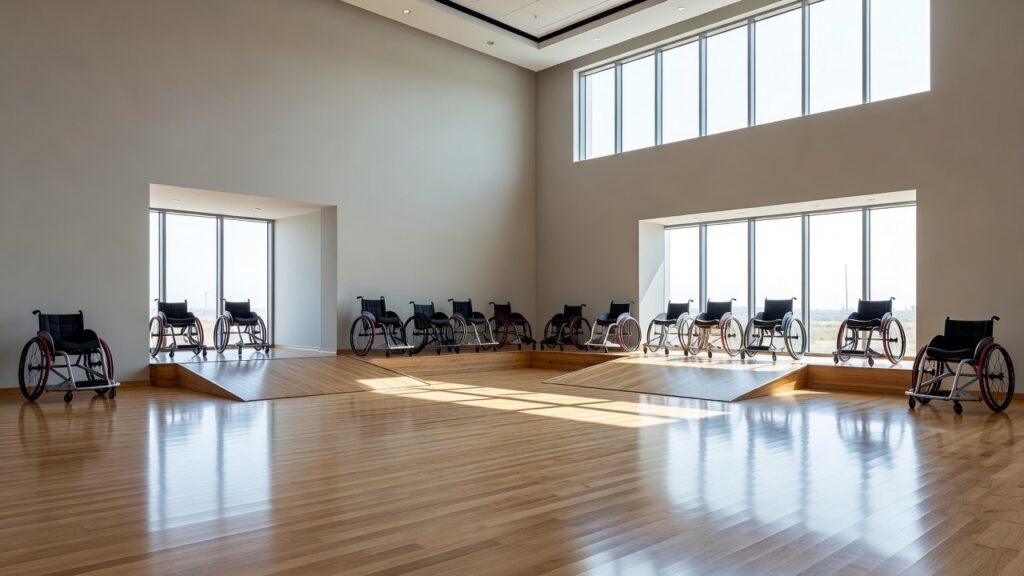
The Saudi Fencing Federation has initiated a knowledge-sharing partnership with its Kuwaiti counterpart, sending a delegation to study the latter’s experience in wheelchair fencing, according to a federation statement. The visit included tours of training facilities and meetings with Kuwaiti coaches and athletes who have achieved international success in the discipline. Officials expressed confidence that the exchange would help Saudi Arabia build a more competitive para-fencing team.
Kuwait has a rich history in wheelchair fencing dating back decades, with athletes like Tareq Al-Qallaf securing multiple world titles and hundreds of medals, the Kuwait Paralympic Committee has reported in past statements. Al-Qallaf’s accomplishments have included gold medals at various World Cups and regional championships, establishing Kuwait as a regional leader in the sport. The country’s disabled sports club has served as a hub for developing talent in wheelchair-based competitions.
The delegation observed training sessions and discussed technical aspects of the sport, including equipment standards and athlete preparation techniques, the Saudi side noted. Discussions also covered integration of wheelchair fencing into broader sports programs for people with disabilities. Such exchanges align with growing cooperation among GCC nations in para-sports development.
Saudi Arabia has significantly invested in para-sports as part of its Vision 2030 reform plan, with the Saudi Olympic and Paralympic Committee figures showing increased participation rates across various disciplines. The kingdom has hosted and participated in numerous regional events aimed at elevating standards for athletes with disabilities. Wheelchair fencing represents one area where Saudi officials see potential for rapid growth given the established models in neighboring countries.
Kuwait’s program has produced Paralympic participants and medalists, with the country earning a silver and two bronzes in wheelchair fencing at the Games, according to International Paralympic Committee records. The sport’s popularity in Kuwait stems from early adoption through the Kuwait Sports Club for the Disabled, which has trained generations of fencers. This foundation has allowed Kuwait to maintain a consistent presence in international competitions.
Federation leaders from both countries agreed to follow up with joint training camps and further collaboration, the Saudi Fencing Federation added. The visit underscores the role of sports in strengthening ties between the two nations. Additional details on specific outcomes from the trip are expected in coming weeks.