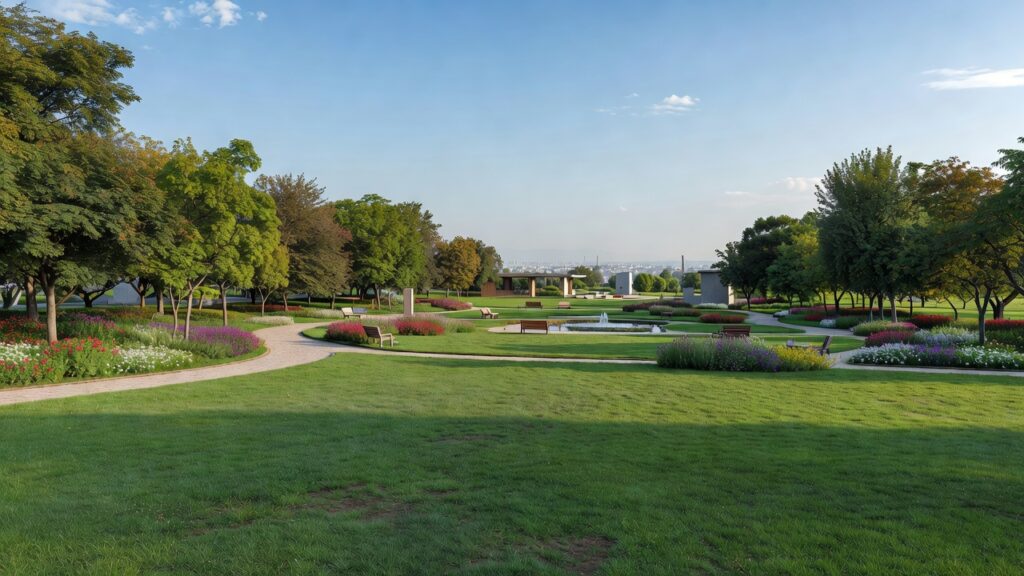
Burhanettin Duran, Turkey’s communications director, announced that President Recep Tayyip Erdogan will join a special program at Baskent Millet Garden in Ankara to honor those who resisted the 2016 coup attempt. Duran said the event under the theme Our Will, Our Victory will remember the martyrs with mercy, gratitude and prayers while expressing thanks to veterans and declaring that no power can stand above the national will. Anadolu Agency reported that the ruling AK Party plans a separate symposium featuring eyewitness accounts from the night of the failed putsch, underscoring the public’s defense of democratic institutions a decade later.
The coup attempt on July 15, 2016 targeted the democratically elected government through coordinated violence that included an effort to assassinate President Erdogan and strikes on the Turkish Grand National Assembly as well as other public buildings. Turkish authorities attribute the plot to the Fetullahist Terrorist Organization, which they say fired on civilians in addition to deploying military assets against key sites in a bid to seize control. Tuba Nur Sönmez, Türkiye’s ambassador to Kuwait, stated that the events resulted in 253 people martyred and more than 2,200 injured while causing widespread destruction before the bid collapsed.
Millions of Turkish citizens responded by taking to the streets that night in a show of resistance that ultimately protected the constitutional order, according to official accounts. Sönmez noted that participants rallied with the declaration that the will prevails and victory belongs to the nation, framing the outcome as a triumph of popular sovereignty over armed insurrection. The ambassador’s assessment, published ahead of the anniversary, described the collective action as a defining moment that revealed both the scale of the threat and the depth of national resolve.
Sönmez explained that the FETO network had operated for decades by concealing its intentions behind the facade of an educational and civil society movement while infiltrating state structures. The group allegedly relied on tactics such as examination fraud, illegal surveillance, blackmail, intimidation and fabricated evidence to expand its influence, the ambassador added. Turkish officials maintain that the organization functions as a transnational terrorist network posing ongoing security risks even beyond national borders.
Fethullah Gulen, the cleric accused of leading the organization from self-exile in the United States, died in October 2024, yet Turkish assessments continue to view the network as an active threat that has not dissipated with his passing. Sönmez cautioned that entities presenting themselves as benign must be evaluated by their conduct rather than their outward image when assessing potential dangers. The ambassador’s written reflections tied these concerns directly to the lessons drawn from the anniversary observances.
July 15 has been designated Democracy and National Unity Day in Türkiye since the events, with annual commemorations focused on honoring the victims and reinforcing the unity displayed by citizens. Anadolu Agency has distributed infographics outlining the coup attempt’s timeline and its human cost as part of this year’s coverage. Official programs this week extend that practice by combining remembrance with forward-looking affirmations of vigilance against similar challenges to democratic governance.