Dr Ahmad Al-Shatti is scheduled to lead a GCC occupational-health discussion in Abu Dhabi as international evidence puts chronic workplace risks alongside heat and accidents.
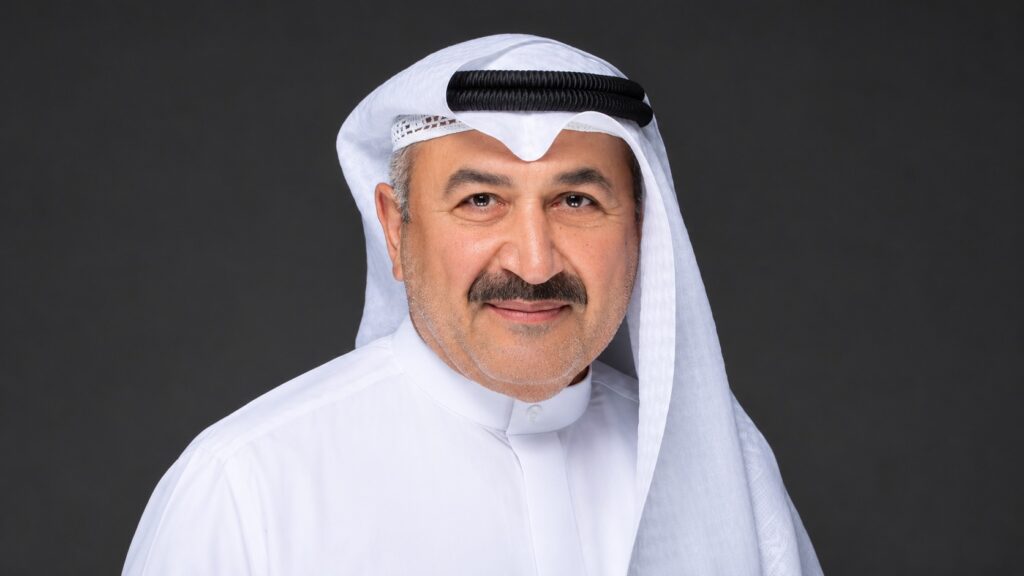
Kuwaiti physician Dr Ahmad Al-Shatti is scheduled to moderate a discussion on occupational health in the GCC at a conference in Abu Dhabi on 24 November. The session places workplace policy and the conditions in which people work on the same agenda.
The published ICOCH26 programme lists Al-Shatti as moderator of its opening occupational-health panel. The two-day conference is due to take place at the Sheraton Abu Dhabi Hotel & Resort on 24 and 25 November.
The timing offers a reminder for audiences in Kuwait: occupational health continues after the summer heat restrictions end. Accidents and high temperatures are visible hazards, but international evidence also identifies risks associated with long working hours, air pollution and the cumulative effects of working conditions.
A field wider than emergency response
The conference biography identifies Al-Shatti as a consultant in occupational and environmental medicine and director of Kuwait’s Ministry of Health Child Protection Centre. It also records experience in occupational-health leadership, emergency medical services, medical evacuation and disaster preparedness.
Those areas involve different stages of protecting health. Emergency response addresses immediate harm. Occupational medicine also considers exposures, fitness for work and the conditions that can contribute to illness over time. The distinction matters because the most visible workplace incident is not necessarily the largest source of health loss.
A joint WHO and ILO assessment published in 2021 estimated that work-related diseases and injuries caused 1.9 million deaths globally in 2016. Non-communicable diseases accounted for 81% of that total, while injuries accounted for 19%.
The assessment considered 19 occupational risk factors. Long working hours and workplace air pollution were among the major contributors. These figures refer to the populations, exposures and period assessed in that research; they are not an estimate of deaths in Kuwait today. Their significance is the broader picture they provide of what workplace protection must address.
Heat is only one part of the picture
Heat remains a major occupational concern. The World Health Organization’s guidance on workplace heat stress explains that the burden on the body reflects a combination of physical activity, environmental conditions and clothing. Air temperature alone does not describe the full exposure.
WHO identifies more than 2.4 billion workers globally as exposed to excessive heat. Its explanation connects heat stress with effects including dehydration, fainting, impaired kidney function and neurological dysfunction. This is a global occupational-health issue that encompasses different kinds of work and environments.
The practical distinction is between identifying a hazard and assuming that one measure eliminates it. Time restrictions on exposed outdoor work address a particular setting. They do not describe every task, every indoor environment or every other source of occupational risk.
Kuwait’s Public Authority for Manpower made that wider responsibility explicit when the seasonal outdoor-work restriction ended this year. Reporting on the authority’s September announcement noted that employers remained responsible for safe working conditions and that monitoring of occupational-health and safety compliance would continue.
From written policies to daily practice
The Abu Dhabi agenda includes workplace implementation, industrial hygiene, mental health, rehabilitation and accessibility. These subjects connect clinical expertise with the decisions made by employers and those responsible for the working environment.
A formal commitment to worker health has to be reflected in the way tasks, environments, supervision and support are organised. A worker’s health can be affected by the design of a task before a clinician ever sees that person, making prevention relevant to managers and supervisors as well as medical teams.
The International Labour Organization’s occupational safety and health programme places prevention at the centre of its work with governments, employers and workers. Its 2024–2030 strategy addresses established hazards and emerging risks connected with climate change, technology and changing forms of employment.
That approach makes occupational health a continuing responsibility. A workplace can change as equipment, schedules or tasks change. Prevention concerns the conditions under which work is carried out, as well as the response after something has gone wrong.
A written rule and a functioning protective measure are therefore different things. The rule establishes an obligation. Implementation determines whether people have the equipment, information, supervision and ability to act on it during an ordinary working day.
Inclusion is part of workplace health
Workplace health also concerns the ability to participate in employment. For a person returning after illness or injury, avoiding immediate harm is only one part of the question. The design of tasks, physical access and available support can determine whether returning to work is practical.
The same distinction applies when considering different abilities and needs across a workforce. A workplace can comply with a general procedure while still presenting barriers to particular employees. Examining those barriers connects occupational health with how jobs and working environments are designed.
Al-Shatti’s scheduled role puts a Kuwaiti occupational-health specialist within that regional discussion. The event has not yet taken place, so there are no conclusions or commitments to report.
The substantive follow-up will be what participants identify as practical steps, and how those steps connect the written rules governing workplaces with the daily experience of the people working in them.