Kuwait’s Ministry of Foreign Affairs said Deputy Foreign Minister Ambassador Hamad Al-Mashaan summoned Iranian Ambassador Mohammad Totonchi on Tuesday and handed him a formal protest note over the strike. Al-Mashaan described the assault on the Keifan as a blatant attack that formed part of Iran’s aggression against Kuwait which began on February 28, 2026. The ministry stated that Al-Mashaan demanded Iran cease all such actions immediately while holding the Islamic Republic fully responsible for violations of Kuwaiti sovereignty, the United Nations Charter and Security Council Resolution 2817 adopted in 2026. The ministry stressed that the incident threatened regional stability and called for accountability under international law.
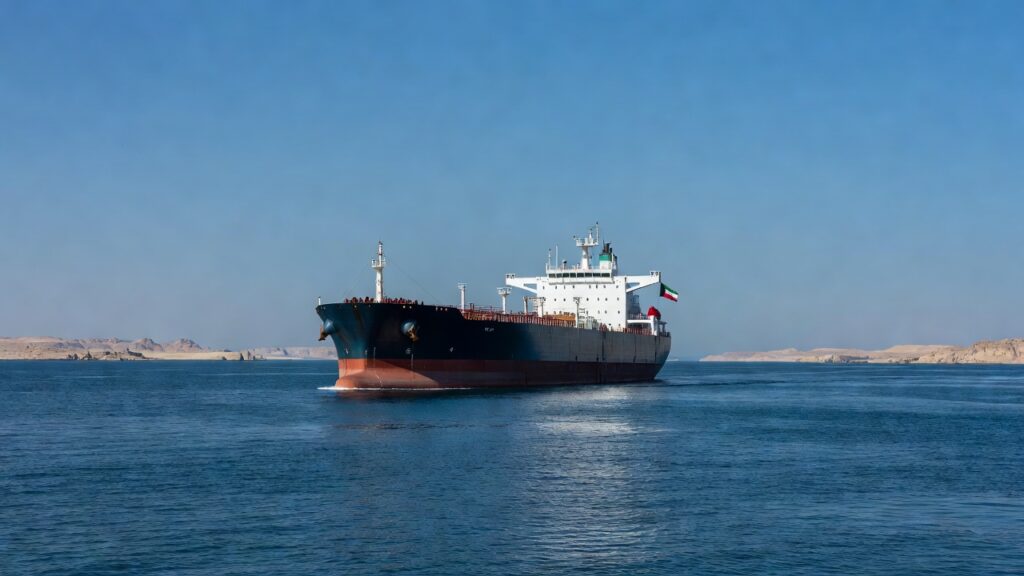
The tanker Keifan was struck by an unidentified projectile near the eastern entrance to the Strait of Hormuz on the evening of July 20 while fully laden, according to maritime reports. Several crew members sustained injuries in the attack though details on the precise extent of damage to the vessel were still emerging. The Maritime Executive reported the incident on July 20 highlighting risks of environmental harm from a potential oil spill in the vital waterway. Tracking information listed the vessel under IMO number 9656046 and noted its Kuwaiti flag.
This diplomatic protest represents the latest in a series of summons issued by Kuwait since the outbreak of the 2026 Strait of Hormuz crisis. Sahara Reporters reported that Kuwait had summoned the Iranian ambassador for the third time by late March 2026 over continued missile strikes on its territory and vessels. Reuters has documented repeated attacks on commercial shipping including Kuwaiti, Emirati and Qatari tankers throughout the spring months as tensions escalated in the Gulf.
Kuwait had previously condemned Iranian strikes on two Emirati oil tankers in the strait that killed an Indian crew member and injured others, according to a Dawn report published on July 14, 2026. The foreign ministry described those assaults as a flagrant violation of international law and a threat to global energy supplies while expressing solidarity with the UAE. Similar statements followed an attack on a Qatari tanker near the strait in early July that drew unified GCC criticism of the actions.
United Nations efforts to address navigation security in the strait have included Resolution 2817 which the Kuwaiti ministry invoked in its latest protest note. Compilations of maritime security reports place the overall human toll from the crisis at 17 seafarers killed and additional injuries across multiple vessels since late February. Al Jazeera coverage of related tanker incidents has underscored how the attacks have driven up shipping costs and disrupted supply chains through one of the world’s most important energy corridors.