Al-Seyassah daily reported that researcher Fahad Faris Al-Jarba announced via a post on his X account that his meeting with Ahmed Al-Jarallah drew interest from UNESCO in the Red Palace and its historical significance. The gathering last year featured a review of the scientific and historical file on the palace supported by English-language documents and produced a notable international response. This marks progress toward nominating the Red Palace for the UNESCO World Heritage List. The materials compiled have helped reinforce Kuwait’s submission dossier according to the researcher.
A report titled ‘Talks with Al-Jarallah ignited UNESCO interest’ outlined how the prepared documents have contributed to bolstering the nomination file for the site. Al-Jarba voiced hope that the combined work will lead to the Red Palace gaining inscription on the World Heritage List in due course. According to the UNESCO World Heritage Centre Kuwait maintains five locations on its tentative list although none have achieved full inscription to date.
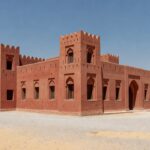
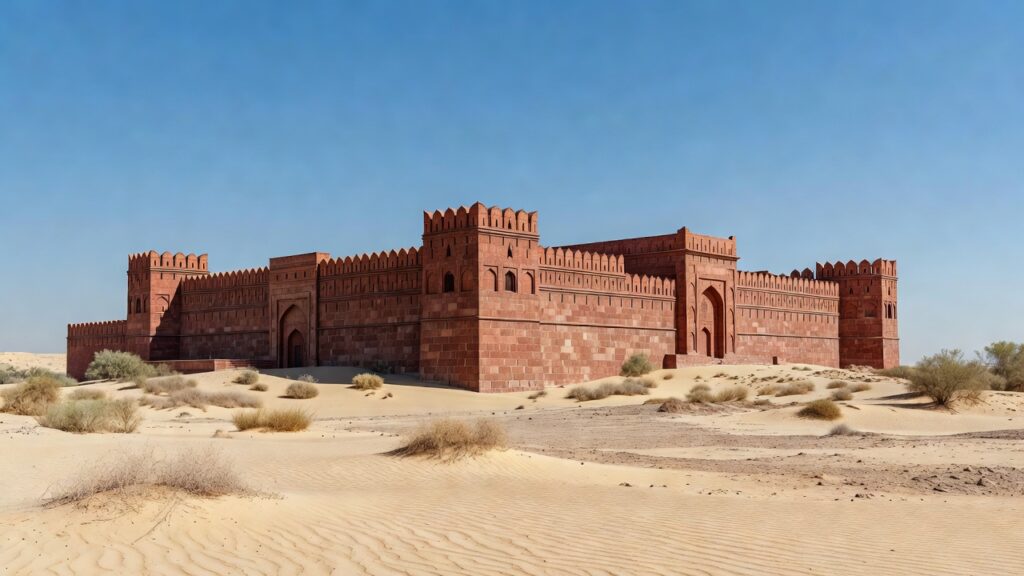
The Red Palace also known as the Red Fort was built in 1897 by Sheikh Mubarak Al-Sabah in Jahra and functioned as military headquarters during the Battle of Jahra in 1920 Kuwait Times historical coverage has recorded. The landmark in Jahra Governorate holds longstanding recognition for its role in Kuwaiti architectural and cultural heritage. Such promotion efforts fit within wider attempts to elevate the country’s pre-oil era narratives before global audiences.
Kuwait secured election to the UNESCO World Heritage Committee in 2025 a step that has enhanced its capacity to support cultural property nominations across the region according to Gulf States Newsletter. The position may aid further engagement with the organization on proposals such as that for the Red Palace. Al-Jarba’s outreach to prominent media personality Al-Jarallah who serves as editor-in-chief of Al-Seyassah and Arab Times and is viewed as the dean of Kuwaiti journalism highlights how public discussion can advance heritage objectives.
Al-Jarba’s social media update stressed the global echo generated by the documentation shared in the meeting with Al-Jarallah. The update arrives as Kuwait develops its cultural assets with other tentative UNESCO sites such as Failaka Island and multiple palaces already subject to expert review. Subsequent actions in the nomination sequence will rely on further evaluations and formal filings managed through the National Council for Culture Arts and Letters.