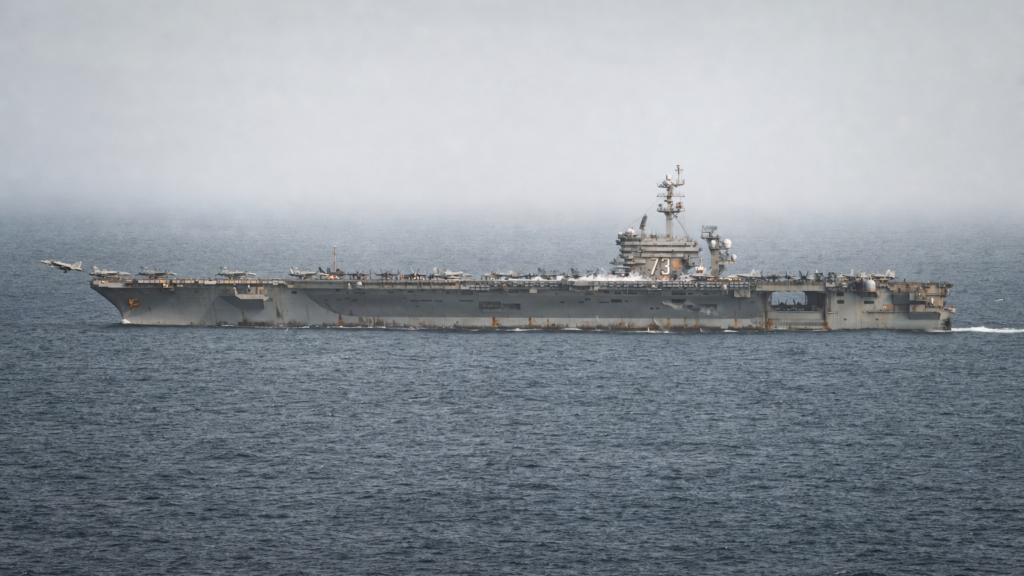
The International Crisis Group’s CrisisWatch assessment released October 7 detailed five deteriorations in conflicts during September and seven risks for October with interstate confrontations at the forefront of global security concerns. In the Middle East Iran and the United States exchanged attacks in early September before a lull during which both explored a diplomatic off-ramp without securing an agreement according to the report. Both parties could now seek greater leverage through escalation the assessment found while indirect talks on the sidelines of the UN General Assembly failed to produce a breakthrough. The group noted that the conflict now in its eighth month has already drawn in Iraq Jordan and the six Gulf Cooperation Council states.
US President Donald Trump rejected an Iranian ceasefire proposal but continued to make counteroffers the International Crisis Group stated. Trump warned of further military action saying “We blow them up or make a deal.” In Yemen Saudi Arabia and the Tehran-backed Houthis traded their first cross-border strikes since the 2022 truce threatening a return to open war and disruption of maritime traffic through the Red Sea and Bab al-Mandab Strait the report warned. Absent an off-ramp US-Iran hostilities could intensify engulfing additional states and potentially affecting the Suez Canal as a third major chokepoint after the Strait of Hormuz and Bab al-Mandab according to the assessment.
The International Crisis Group also recorded surging Israeli settler attacks and military raids in the occupied West Bank that have pushed the territory closer to a boiling point amid unprecedented settlement expansion. A formal ceasefire that took effect in October 2025 halted large-scale offensives in Gaza but frequent breaches have continued with reported Palestinian deaths exceeding 71,000 by the end of 2025 a SIPRI assessment found. The broader pattern of escalating armed conflict great power competition and fragmenting world order marked all major regions in 2025 the Stockholm International Peace Research Institute documented in its latest yearbook.
Large-scale fighting erupted in northern Ethiopia in September between the Tigray People’s Liberation Front in coordination with other rebels and federal forces plunging the country back into war the Crisis Group reported. Many fear further escalation could draw in Eritrea which is closely aligned with the TPLF while inflicting additional suffering on civilians the assessment stated. In Pakistan militants conducted a series of deadly attacks along the Afghan border triggering renewed hostilities between Islamabad and Kabul that could escalate in coming weeks according to the report.
Relations between Pakistan and India remained tense after naval vessels from the two countries collided in the northern Arabian Sea on September 15 with each side trading blame and promoting divergent accounts the International Crisis Group noted. Pakistani Prime Minister Shehbaz Sharif warned at the UN General Assembly on September 25 that any Indian attempt to divert Pakistan’s share of river waters under the Indus Waters Treaty would be treated as an act of war. The Crisis Group highlighted how the Court of Arbitration in The Hague ruled in August that the treaty remains legally binding despite India’s unilateral suspension a decision New Delhi has rejected.
In addition to the Middle East focus the International Crisis Group flagged persistent insecurity in Indonesia’s Papua province where separatist violence and protests have highlighted rights concerns. Pyongyang test-fired short-range ballistic missiles from its eastern coast in September one day after joint exercises involving Seoul Tokyo and Washington the report recorded. The assessment serves to underscore the interconnected risks that have placed multiple regions on edge as October unfolds.