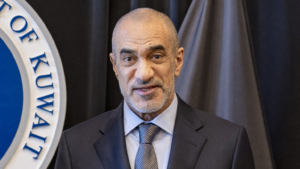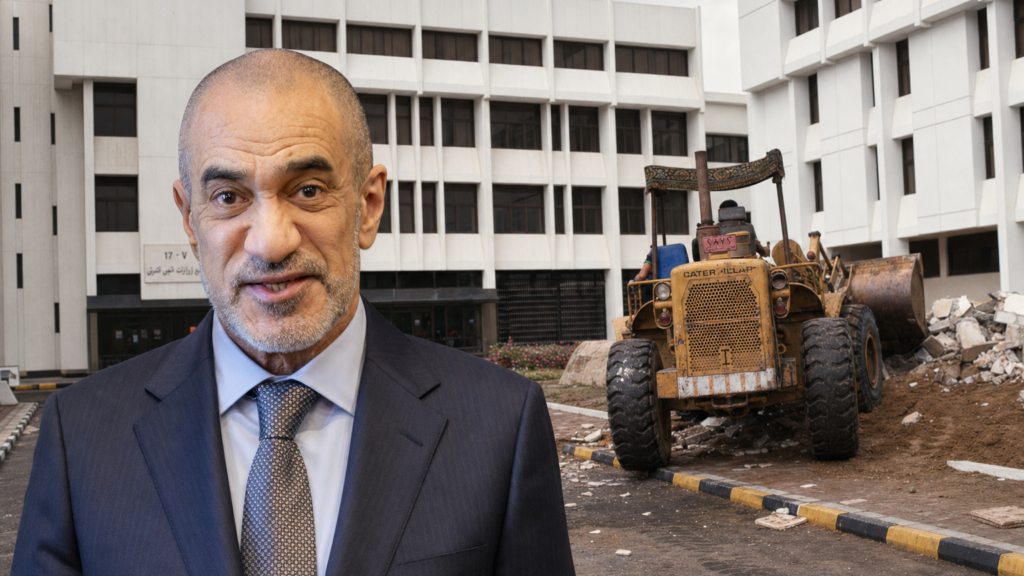
Sheikh Fahad Al-Yousef Al-Sabah who also heads the Public Authority for Manpower told representatives of private companies that non-payment of salaries had reached an alarming level requiring immediate legal enforcement to protect workers. The minister who chaired the session stressed that expatriates must receive their pay regularly in the same manner as Kuwaiti citizens without any form of bias. He added that mercy must extend equally to all residents regardless of nationality as many expatriates struggle with stagnant salaries while essential expenses continue to climb.
The Public Authority for Manpower reported that files of around 8450 companies had been suspended by June for failing to meet salary obligations representing 18.3 percent of the 48400 firms employing five or more workers. A further 10000 companies remain under investigation for delays stretching up to four months in some cases according to data presented at the gathering. The authority’s figures also showed wage compliance climbing to 75.6 percent in July 2026 from 38.7 percent a year earlier as an automated system now halts files instantly upon irregularity.
Public Authority for Civil Information data places Kuwait’s expatriate population at roughly 3.74 million out of a total 5.31 million residents underscoring the broad impact of wage issues across the labour market. Central Statistical Bureau and National Bank of Kuwait assessments indicate inflation eased to about 2.3 percent in recent readings though food and housing costs continue exerting pressure on lower-income households where many expatriates reside. The minister’s remarks highlighted how unchanged salaries exacerbate these burdens for workers who have left their families abroad in search of stable employment.
Sheikh Fahad Al-Yousef Al-Sabah identified non-payment of salaries alongside human trafficking and money laundering as key challenges that harm the country’s international standing and ratings. He directed the authority and residency departments to examine a quota limiting any single nationality to no more than 30 to 40 percent of a company’s workforce with potential extra fees for exceeding the threshold. The minister further noted that transfers of domestic workers from article 20 to article 18 residencies would undergo review following requests from some employers.
PAM Director General Rabab Al-Osaimi who addressed the same session confirmed ongoing coordination with the Central Bank of Kuwait to verify that salaries reach local accounts without subsequent withdrawals by employers. She emphasised that payments must occur before the seventh day of the following month to avoid automatic suspensions that also affect related labour support for Kuwaiti employees. The meeting represented the second such engagement focused on the wage protection system which has seen requests surge by nearly 196 percent in the first nine months of 2026 compared with the prior year.
The minister reiterated that the era of previous labour market disorder had ended permanently and that all parties must adhere strictly to regulations moving forward. He pointed to specific cases of abuse including companies registering inflated salaries for relatives while actual workers went unpaid as examples of practices damaging Kuwait’s reputation. These interventions according to the Public Authority for Manpower have already contributed to a noticeable decline in strikes related to wage disputes.