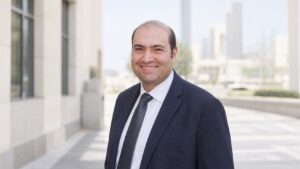
With World Diabetes Day approaching, Kuwait’s diabetes burden puts early diagnosis in focus. Dr Sulaiman Hajji’s public explanations of the condition sit alongside a wider question: how can reliable information lead people towards appropriate care?
Diabetes does not always announce itself through symptoms that are easy to recognise. Type 2 diabetes can develop gradually, leaving people unaware of the condition until a blood test or a complication brings it to their attention.
That gap between having diabetes and knowing about it is central to World Diabetes Day on November 14. The World Health Organization’s 2026 campaign focuses on early action, including earlier diagnosis, access to continuing care and reducing the stigma surrounding the disease.
For Kuwait, this is a substantial public-health issue. The International Diabetes Federation estimates that 908,500 adults aged 20–79 were living with diabetes in the country in 2024. Against that background, the explanations people encounter outside a consultation room become part of the wider conversation about recognising risk and seeking help.
Understanding Kuwait’s diabetes figures
The IDF’s Kuwait profile illustrates the scale of the challenge, but its statistics need to be read carefully. The federation’s regional factsheet places Kuwait’s age-standardised adult diabetes prevalence at 25.6% in 2024.
Age standardisation allows comparisons between countries with different population structures. It should not be presented as though it were a simple count of one in four people across Kuwait’s entire population. The estimates concern adults in a defined age range, rather than children and adults together.
The distinction matters because public understanding depends on more than an arresting number. A prevalence estimate describes how widespread a condition is; it does not establish an individual’s diagnosis, identify which type of diabetes they have or determine the treatment they need.
It also provides a reason to look beyond people already attending specialist clinics. A national burden includes people whose condition has been recognised and those who have yet to receive a diagnosis.
Bringing specialist explanations into public view
Dr Sulaiman Hajji is one of the Kuwaiti doctors discussing these subjects publicly. His Instagram account includes explanations of diabetes diagnosis alongside material on hormones, thyroid conditions and weight-management treatments.
The subjects are closely connected to his clinical work. The Kuwaiti Board of Internal Medicine’s profile identifies him as a consultant in internal medicine specialising in endocrinology and diabetes at Adan Hospital, as well as a clinical tutor at Kuwait University.
His educational role therefore operates in different settings: teaching future medical professionals and explaining health questions to a public audience. Those audiences need different levels of detail, but both depend on distinguishing an understandable explanation from an oversimplified one.
A short video about diagnosis can introduce a question that a viewer has not previously considered. It cannot establish whether that viewer has diabetes. The useful connection is between understanding a subject more clearly and knowing when to discuss it with a healthcare professional.
Why the type of diabetes matters
Diabetes is a broad term covering conditions that do not all arise in the same way. The WHO’s diabetes factsheet distinguishes type 1 diabetes, which requires insulin treatment, from type 2 diabetes, in which the body does not use insulin effectively. Diabetes can also develop during pregnancy.
The symptoms can overlap. Increased thirst, frequent urination, tiredness and blurred vision are among the signs WHO identifies, while type 2 symptoms may remain mild for years. Recognising a possible sign is therefore a starting point for assessment, rather than a way to classify the condition independently.
Clinical research involving Hajji offers a more specialised example of why classification matters. A 2021 case report in BMJ Case Reports, co-authored with Khaled Aljenaee, Aoife Garrahy and Maria Byrne, concerned a woman with neonatal diabetes associated with a KCNJ11 gene mutation.
The authors described a successful, medically supervised transition from insulin to a sulfonylurea after an earlier attempt had failed. This was a specific genetic form of diabetes and a single-patient report, not a treatment pathway that can be generalised to people with type 1 or type 2 diabetes.
Its relevance to public understanding is the precision of the diagnosis. The label “diabetes” alone did not capture the underlying mechanism or the clinical decisions involved. Explaining that distinction helps show why individual assessment remains essential even when two people appear to have similar symptoms.
Diagnosis is the beginning of care
Finding diabetes earlier matters because prolonged high blood glucose can damage blood vessels and nerves. WHO identifies complications affecting the heart, kidneys, eyes and feet, making continuing monitoring part of care rather than an optional addition after diagnosis.
Treatment also extends beyond a single prescription. Depending on the person and the type of diabetes, it can involve medication, changes to diet and physical activity, and screening for complications. A diagnosis establishes the need for a plan that can be reviewed over time.
This is why the public conversation cannot end with encouraging a test. People also need an explanation of what the result means and what happens next. Clear information has to connect the first question with the continuing responsibilities of managing a chronic condition.
For Kuwait, World Diabetes Day brings those stages into the same frame: recognition, diagnosis and sustained care. Hajji’s public-facing explanations occupy the first part of that process. Their subject is an everyday clinical challenge with national significance: helping people understand enough to seek an assessment before an apparently ordinary symptom becomes a much more serious problem.