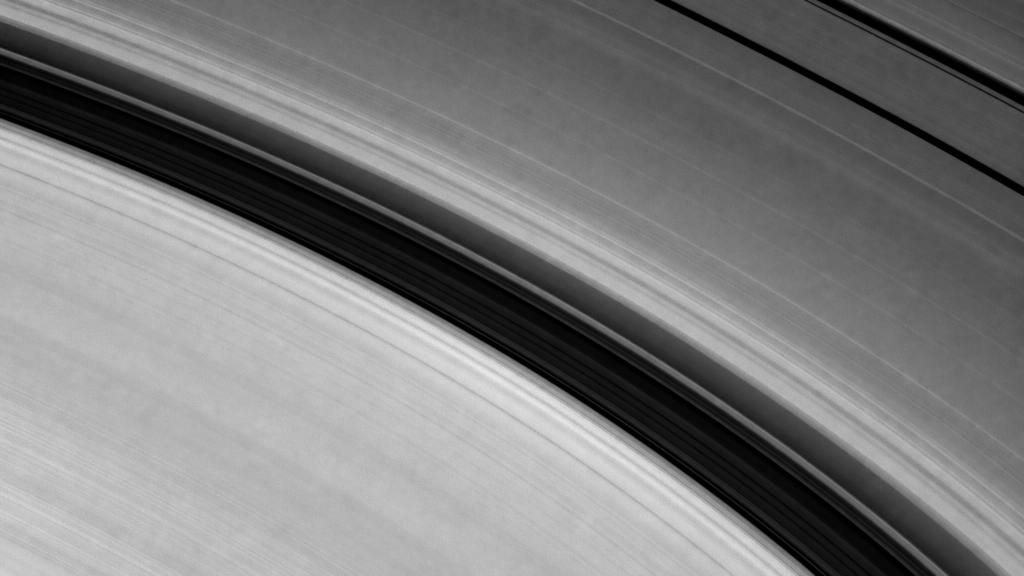
The Al-Ujairi Scientific Center has forecast approximately nine astronomical events for October 2026 that will be visible from Kuwait, with Saturn at opposition heading the list of phenomena. On October 4 the ringed planet will lie opposite the sun as seen from Earth, rendering it observable all night long from sunset until sunrise the following morning in Kuwait City. This opposition brings Saturn to its closest approach to Earth for the year, enhancing its brightness and detail for observers equipped with telescopes, the center said in its statement. The announcement underscores a month rich in celestial activity that can engage both amateur skywatchers and seasoned astronomers across the country.
A lunar conjunction with Mars follows on October 5, when the moon passes just 1 degree and 8 arcminutes north of the red planet in a close apparent approach visible in the early morning sky before sunrise, according to the center. The center’s calendar next highlights the peak of the Draconid meteor shower on October 8 and 9, offering skywatchers a chance to spot meteors radiating from the constellation Draco. These showers typically produce modest rates but can yield occasional bright fireballs under dark skies away from city lights.
Mid-month brings the new moon on October 10, coinciding with the expected birth of the crescent marking the start of Jumada al-Ula at 6:50 p.m. local time after sunset, the center reported. Mercury will reach its greatest eastern elongation on October 12, positioning the elusive planet favorably for observation in the evening sky away from the sun’s glare. The event provides one of the better opportunities for residents to spot Mercury without specialized equipment, the center added.
The Orionid meteor shower, associated with debris from Halley’s Comet, peaks on October 21 and 22 with potential rates of up to 20 meteors per hour, although moonlight may interfere with viewing fainter streaks, according to the center. Later in the month, on October 24, the moon will pass 6 degrees and 47 arcminutes north of Saturn in another evening conjunction visible after sunset. The full moon, traditionally known as the Hunter’s Moon, occurs on October 26 within the constellation Al-Butain and will shine brightly throughout the night.
On October 28 the moon will approach the Pleiades star cluster, providing a striking visual in the night sky that concludes the center’s listed events for the month. The Al-Ujairi Scientific Center regularly compiles such monthly astronomical calendars drawing on precise calculations to promote public interest in skywatching. Similar forecasts issued by the center in preceding months have included planetary conjunctions, lunar phases and meteor activity that drew attention from observers across Kuwait and the wider region.