Mexican health authorities announced that four people died amid victory celebrations that drew 1.4 million fans into the streets of Mexico City following the national team’s advance in the 2026 World Cup. Three victims died from asphyxiation while the fourth succumbed to complications from a seizure that led to bleeding and cardiorespiratory arrest. The capital’s health secretariat placed the number of people who received medical attention during the events at 1,615, according to its figures released the next day.
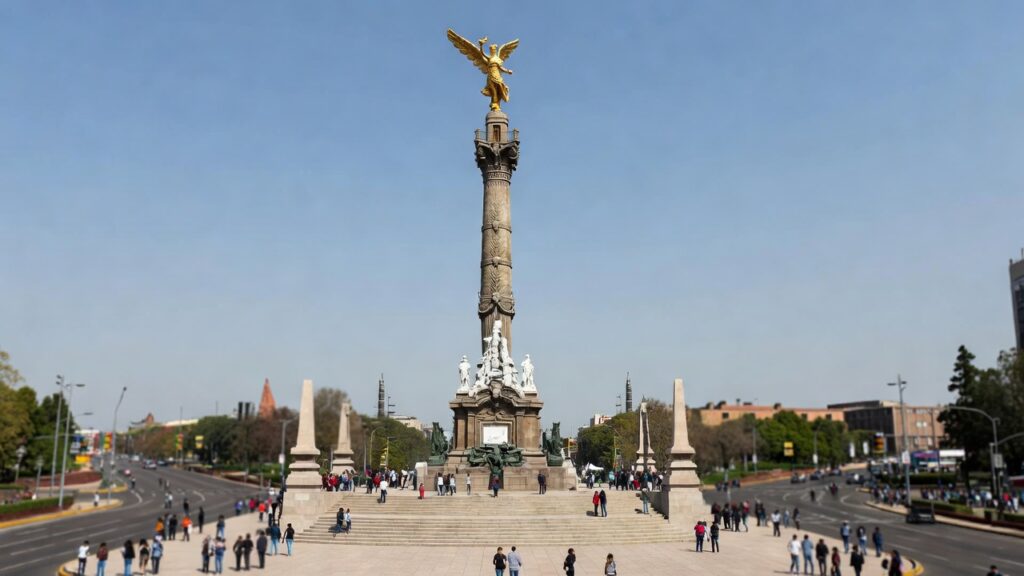
The fatalities occurred near the Angel of Independence monument where crowds had gathered to celebrate Mexico’s 2-0 win against Ecuador in the round-of-32 match, the Associated Press reported. A 19-year-old woman, a 48-year-old woman and a 44-year-old man were identified in the asphyxiation cases while the 30-year-old male victim died from the separate complications. In Baja California, local authorities reported that another 44-year-old man was killed when a vehicle drove into a crowd of revelers during similar celebrations in the state.
Mexico City Mayor Clara Brugada issued a statement expressing condolences for those who lost their lives. “On behalf of the Mexico City government and on my own behalf, we express our deepest sorrow over the deaths of the people who lost their lives yesterday during the celebrations at the Angel of Independence,” Brugada said. The mayor’s remarks preceded a review of crowd management protocols that officials said would incorporate lessons from the night’s events.
The match result secured Mexico’s place in the next stage of the tournament co-hosted by Mexico, the United States and Canada, coverage from The New York Times indicated. Fans converged on central locations across the capital in numbers that strained emergency response capabilities, according to the health secretariat’s assessment. Comparable gatherings have accompanied Mexico’s past performances in major international competitions with authorities routinely preparing for high attendance.
The health secretariat’s data listed asphyxiation as the cause for three of the Mexico City deaths while tying the fourth to the medical complications. Officials noted that the extreme density of the crowd near the landmark played a central role in the incidents although full investigations continued into all circumstances. Preliminary reports from the secretariat showed no immediate indications of foul play connected to any of the fatalities.
Separate coverage from The Guardian confirmed that more than one million people participated in the capital’s festivities with three of the deaths attributed directly to suffocation in the packed areas. Emergency teams operated throughout the night to assist those affected by the crowds, the reports added. Authorities have emphasized improved planning for future public celebrations tied to sporting successes.