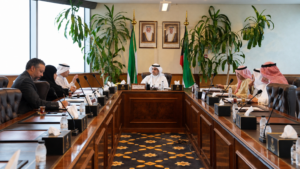
The Council of Ministers approved a draft decree cancelling Amiri Decree No. 240 of 2012 that had established the Silk City Development Authority responsible for Madinat Al-Hareer in Subiya and Bubiyan Island, the Cabinet said in a statement issued after its weekly meeting. The statement noted that the draft decree has been raised to His Highness the Amir Sheikh Mishal Al-Ahmad Al-Jaber Al-Sabah for approval. The Tuesday gathering took place at the administrative building in the third phase of Shaheed Park under the chairmanship of Prime Minister Sheikh Ahmad Abdullah Al-Ahmad Al-Sabah.
The Cabinet statement detailed how the meeting also received a briefing on the upcoming official opening of Shaheed Park’s third phase scheduled for Wednesday evening, which will feature a national artistic performance titled Al-Sour. That event will include participation by several prominent artists at the park’s theatre complex. The abolition decision formed one of the key legislative items advanced during the session.
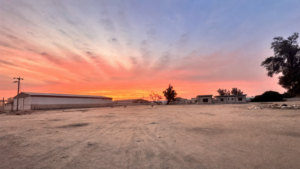
The Silk City Development Authority had operated under the 2012 decree to coordinate one of the largest planned urban projects in the Gulf region, according to planning records reviewed by regional development observers. The project traces its modern origins to 2006 when a private sector proposal from Tamdeen Group and Ajiyal Real Estate envisioned transforming the northern area into an integrated economic hub as part of efforts to reduce oil dependence. Kuwait Times reporting has positioned the Northern Economic Zone encompassing Silk City as essential to achieving the goals of Kuwait Vision 2035.
Project assessments place the development across 250 square kilometres with an estimated investment ranging from KD 25 billion to $132 billion over a 25-year horizon, figures cited in multiple sector overviews including those from DEERA and Times Kuwait. The city concept incorporates distinct quarters focused on finance, leisure, ecology and residential use while planning for up to 700,000 residents and 450,000 jobs upon completion. A centrepiece element includes Burj Mubarak Al-Kabeer, projected to rank among the world’s tallest structures at more than 1,000 metres.
Partial infrastructure advances have materialised despite extended delays that have marked the initiative since its revival in the mid-2000s, government and industry reports show. The Sheikh Jaber Al-Ahmad Al-Sabah Causeway linking Kuwait City to the Subiya area opened in 2019 after four years of construction by a South Korean-led consortium. A 2024 engineering contract with China Communications Construction Company targeted the first phase of Mubarak Al-Kabeer Port on Bubiyan Island as part of broader connectivity plans aligned with China’s Belt and Road Initiative.
Earlier iterations of the northern development date back to the 1980s when it began as a more limited residential proposal for Subiya before expanding into a comprehensive economic zone covering nearly 1,700 square kilometres when including adjacent islands and areas, according to historical reviews published by the Kuwait Financial Centre. The 2019 push under then-Deputy Prime Minister Sheikh Nasser Sabah Al-Ahmad Al-Sabah sought to accelerate implementation through parliamentary engagement and international partnerships, though momentum slowed after his departure from office. The current decision to dissolve the dedicated authority follows a pattern of governmental restructuring seen in other sectors this year.
Similar moves have included the abolition of the Public Authority for Youth in June through Amiri Decree, with functions transferred to the Public Authority for Sport and staff reassigned while preserving grades and salaries, a precedent outlined in the official gazette at the time. In January the Ministry of Public Works assumed responsibilities previously held by the dissolved General Authority for Roads and Land Transport, including budget and asset transfers. The Cabinet statement on the Silk City body did not elaborate on future oversight arrangements for the project.