In its official statement Kuwait’s Ministry of Foreign Affairs attributed the assaults to Iran-backed militias operating from Iraqi territory and stressed that such actions contravene international law, the United Nations Charter and relevant Security Council resolutions including Resolution 2817. The ministry emphasized that Saudi Arabia’s security remains inseparable from Kuwait’s own and that of the wider Gulf Cooperation Council while expressing complete support for measures the kingdom takes to protect its stability. It further underscored the need to safeguard critical infrastructure from threats that could destabilize the region.
Kuwaiti Foreign Minister Sheikh Jarrah Jaber Al-Ahmad Al-Sabah held a telephone conversation the same day with Saudi Foreign Minister Prince Faisal bin Farhan Al-Saud during which both officials denounced the attacks. Sheikh Jarrah reiterated Kuwait’s unwavering solidarity and backing for all steps Saudi Arabia may pursue to defend its sovereignty and territorial integrity. The discussion also touched on continued diplomatic coordination among Gulf partners to address shared security concerns.
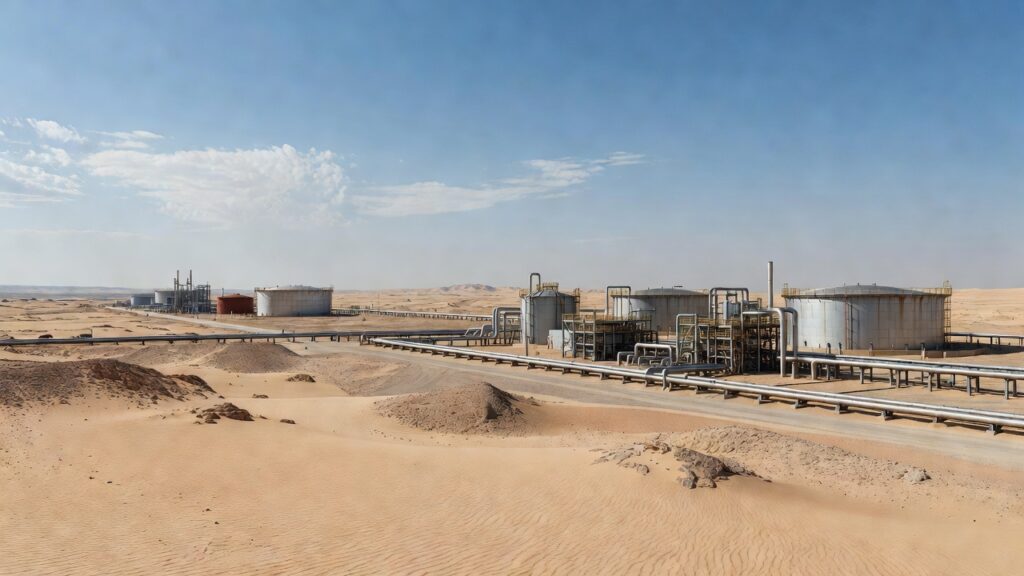
Saudi Arabia’s Ministry of Defense reported that its air defenses intercepted and destroyed several drones launched from Iraqi territory over the preceding hours that had targeted oil facilities in the Eastern Province and the Riyadh area. Maj. Gen. Turki Al-Maliki said the attacks originated from Iraqi territory and were carried out by what he described as “Iran-backed terrorist militias.” He stressed that the Kingdom has the right to defend itself and its vital facilities, adding that it reserves the right to respond at the appropriate time and place.
The Saudi Ministry of Foreign Affairs condemned the strikes as reprehensible and called on the Iraqi government to take necessary steps to prevent its soil from serving as a launchpad for operations against the kingdom. Qatar issued its own condemnation expressing full solidarity with Saudi Arabia and support for all legitimate measures to safeguard its security and territorial integrity. Jordan and Egypt similarly denounced the attacks as violations that undermine regional stability and breach the UN Charter.
This latest incident follows similar drone threats faced by Saudi Arabia in 2026 with Reuters having reported multiple interceptions of drones entering from Iraqi airspace in preceding months. Such events have highlighted ongoing regional tensions and prompted repeated diplomatic calls for authorities in Iraq to curb militia activities near the border. Kuwait has maintained its outreach including a separate phone discussion between its foreign minister and Oman’s Badr Al-Busaidi on broader Gulf security and maritime navigation protection.
The coordinated Arab responses demonstrate a consistent GCC stance against provocations aimed at member states’ sovereignty and energy infrastructure that supplies global markets. Officials have repeatedly pointed to the importance of upholding international resolutions designed to avert further escalation across the Middle East. Kuwait’s position aligns with its established policy of standing with neighboring countries against any infringement on territorial integrity.