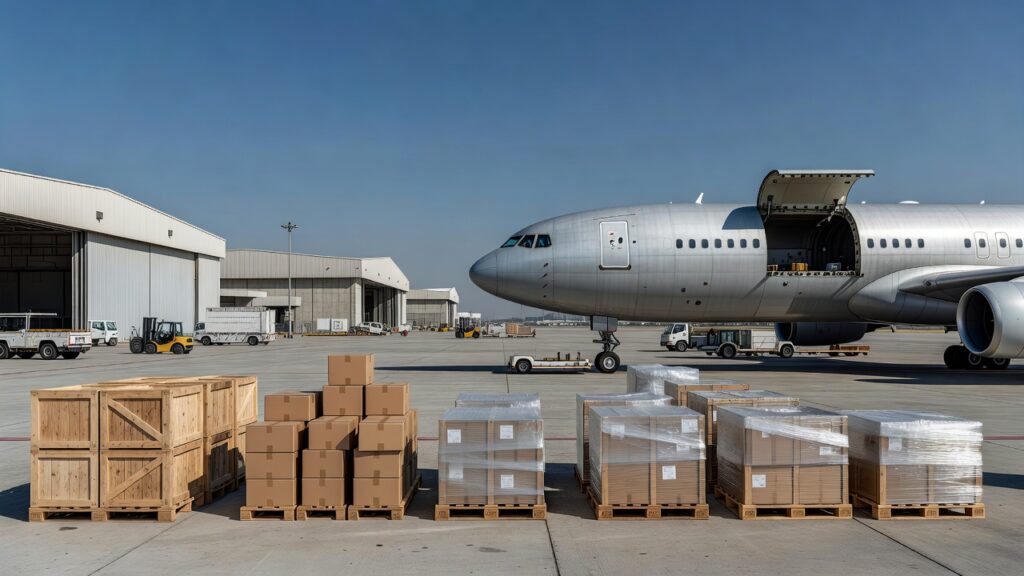
Al-Rai daily reported that officers from the search and investigation unit at air cargo customs intercepted 568 pieces of shoes and jackets bearing counterfeit trademarks within a consignment that arrived by air from China. The shipment, which weighed a total of 883 kilograms according to its bills of lading, had been documented as containing furniture and chairs, a description that raised suspicions and led to a detailed physical inspection. That examination confirmed the items violated applicable laws on intellectual property rights and the circulation of counterfeit goods, prompting immediate action.
The General Administration of Customs stated that standard customs and legal procedures were followed for both the shipment and the seized goods. In its announcement, the administration confirmed its ongoing efforts to intensify oversight on all incoming shipments while confronting attempts to introduce violating or imitation products into the country. Such measures form part of routine enforcement at entry points to uphold regulatory standards.
Kuwait Times reported in a January assessment that customs maintains a dedicated Risk Management and Targeting Department which reviews global seizure trends and international alerts to identify high-risk shipments before they reach inspectors. This system supports detailed cross-checks between declared contents and actual cargo at airports and ports across the emirate. The approach has contributed to consistent detection of counterfeit apparel, accessories and other items throughout the year.
In a February operation, the Ministry of Commerce and Industry confiscated around 800 counterfeit products including shoes and handbags at the Friday Market, according to Times Kuwait. That inspection led to formal violation reports and referral of the case to commercial prosecution for further legal steps. Commerce officials emphasized at the time that monitoring would persist without interruption, even during holidays.
The September 23 air cargo seizure follows a pattern of similar enforcement actions, including a 2021 interception of a 10-ton shipment of counterfeit goods from China that was documented by Zawya. Authorities have repeatedly applied risk profiling and scanning technology to manage import volumes while addressing misdeclaration tactics. Coordination between customs, commerce and other agencies ensures that both border controls and internal market inspections remain aligned.
Customs records show that legal outcomes for these cases normally encompass full confiscation of the goods, preparation of violation files and potential prosecution of involved importers under intellectual property statutes. The administration has handled multiple such incidents involving apparel and footwear in recent months, each reinforcing the prohibition on entry of imitation branded items. No value estimate for the latest seized consignment was released in the announcement.