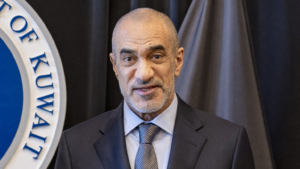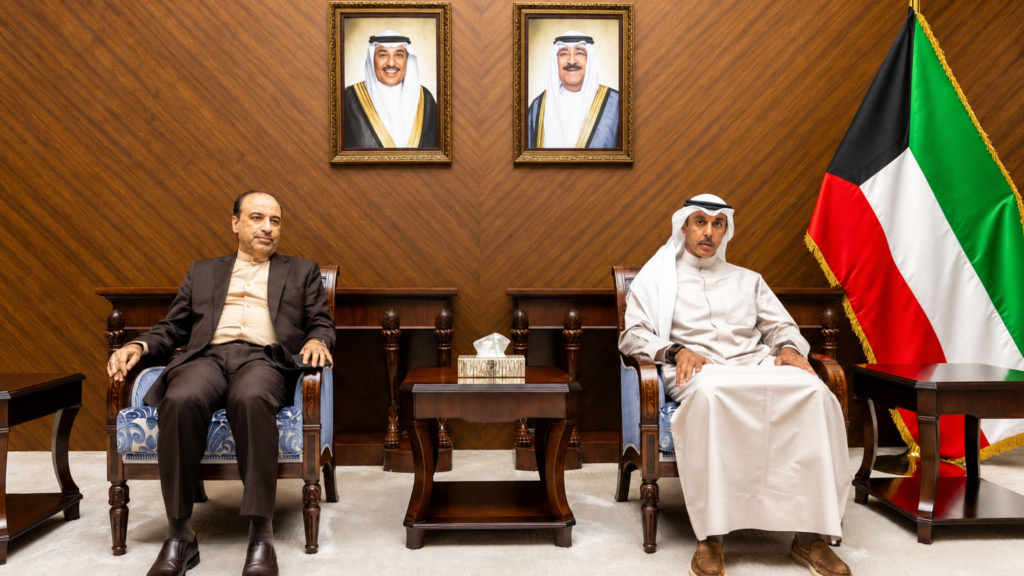
The Kuwaiti Ministry of Foreign Affairs announced that Deputy Foreign Minister Hamad Sulaiman Al-Mashaan summoned Ambassador Muhammad Tutunji on October 28, 2026, to register an official complaint. According to a ministry statement, the Iranian envoy received a protest note concerning a statement issued by the Iranian embassy in Kuwait the same day. The note highlighted what the ministry described as blatant interference in the internal affairs of the state, along with an affront to its sovereignty and the independence of its judicial authority in violation of international norms.
Kuwait’s foreign ministry stated that the embassy’s position amounted to an unacceptable comment on rulings handed down by national courts. The deputy minister reiterated Kuwait’s rejection and strong condemnation of any such external involvement in judicial decisions, the ministry reported. He called on the Iranian side to adhere strictly to the provisions of international law, the United Nations Charter and the principles of good neighborliness without exception.
The ministry further stressed the importance of upholding the 1961 Vienna Convention on Diplomatic Relations, which both countries have ratified and which prohibits interference in the host state’s domestic matters. A ministry statement distributed through official channels reminded Tehran that non-interference forms a cornerstone of bilateral and regional relations. Kuwait affirmed that its courts operate with full independence and that foreign missions must channel any concerns through appropriate legal and diplomatic avenues rather than public statements.
This diplomatic step reflects a pattern of recurring friction between Kuwait and Iran on security and legal issues that has persisted for more than a decade. In May 2026, Kuwait’s interior ministry reported arresting four individuals affiliated with Iran’s Revolutionary Guards Corps who attempted to infiltrate by sea, prompting another summons for the Iranian ambassador, Reuters reported at the time. That incident involved claims of planned hostile actions on Bubiyan Island and resulted in injury to one member of Kuwait’s armed forces, according to the same reporting.
Earlier episodes include a 2017 decision to close Iran’s cultural mission and reduce the size of its diplomatic presence after a court case uncovered alleged links to a terror cell with connections to Iran and Hezbollah, an Associated Press account from July that year detailed. Kuwait has repeatedly signaled that it values stable relations with all neighbors yet reserves the right to defend its judicial sovereignty when statements from foreign embassies appear to challenge court outcomes. The foreign ministry has in past cases, including a 2015 protest over similar embassy language on the so-called Abdali cell, viewed such remarks as exceeding diplomatic boundaries.
Relations between the two countries have been tested by a series of espionage and security cases dating back to the discovery of the Abdali cell in 2015, which led to convictions of individuals accused of gathering information for foreign powers. The latest protest arrives as Kuwait continues to balance its strategic partnerships in the Gulf with the need to manage ties to Iran, a dynamic that has shaped its foreign policy for years. Officials have consistently maintained that judicial rulings remain the exclusive domain of Kuwaiti courts and that external commentary on them crosses established red lines.