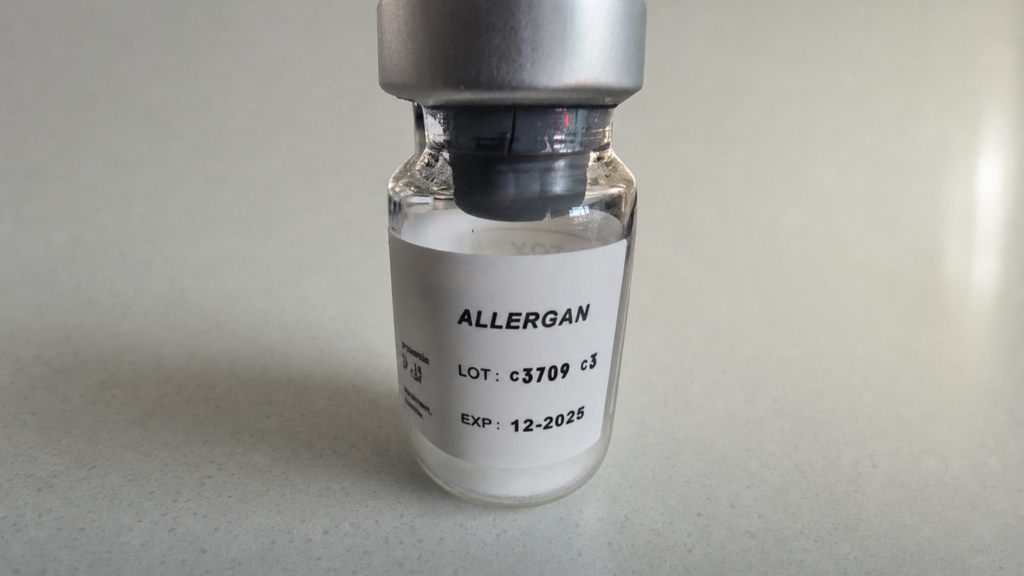
The Ministry of Health has cautioned residents to avoid Botox injections obtained from unauthorized sources including online vendors and beauty salons lacking proper medical oversight. The authority noted that counterfeit versions often feature packaging errors, misspelled labels and batch numbers that do not correspond to legitimate Allergan products manufactured by AbbVie. Individuals who have used such products should monitor for symptoms and consult physicians promptly.
This alert mirrors actions taken by health regulators in neighboring countries and globally in response to rising incidents involving fake botulinum toxin. According to the Emirates Drug Establishment, a counterfeit batch with lot number C7048C4 was identified earlier this year as not matching manufacturer records and posing serious health risks. The establishment advised healthcare providers to source products only through approved channels.
US health officials have documented multiple cases tied to counterfeit Botox. The Centers for Disease Control and Prevention recorded 17 cases across nine states linked to these injections, with 13 resulting in hospitalization.
Capital Governorate inspection teams have seized hundreds of unlicensed cosmetic products and medical creams during raids on warehouses where labels and expiration dates were allegedly being altered. These operations fall under the Unified GCC Law on Combating Commercial Fraud and have led to legal proceedings against those responsible. Authorities have stepped up such campaigns to protect consumers from substandard goods circulating in the market.
Health professionals emphasize that genuine Botox must be administered by licensed practitioners in approved clinical settings. The ministry’s guidance aligns with international standards that stress verification of product authenticity prior to use. Patients experiencing adverse effects are encouraged to report them to health authorities for investigation.
Regional authorities continue to monitor the influx of counterfeit pharmaceuticals amid growing demand for aesthetic treatments. Data from regulatory bodies indicate that improper storage or contamination in fake products can lead to outcomes far more severe than those associated with regulated use. The ministry reiterated the need for vigilance when considering cosmetic procedures.