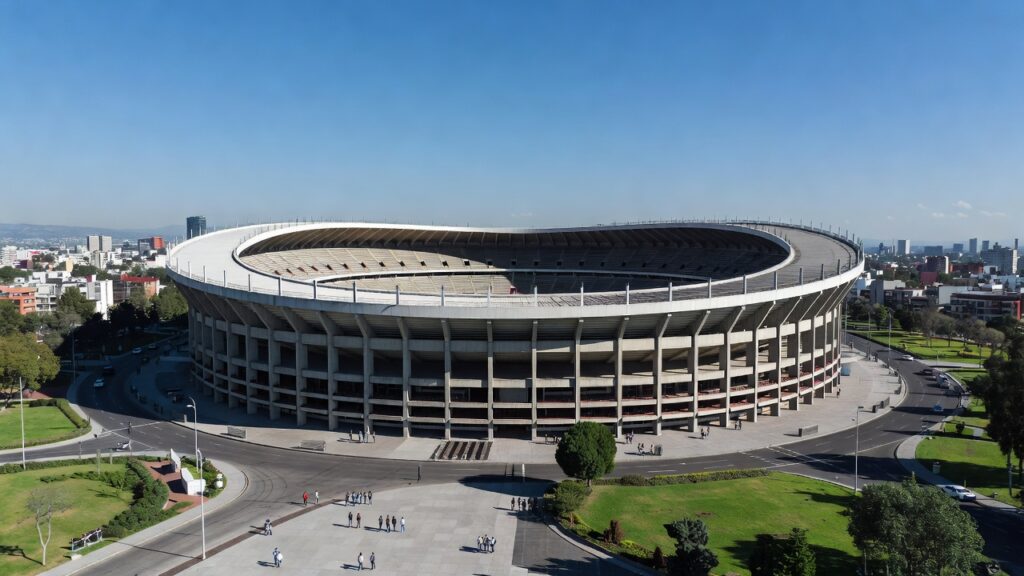
The Ministry of Tourism detailed that the revenue figure covered the period from June 8 to July 19 when Mexico hosted games in three cities as part of the joint bid with the United States and Canada. Its assessment found that the event attracted 7.8 million visitors to those host venues while creating 130,900 direct jobs in the tourism and related sectors. The ministry added that the overall economic spillover reached 65 billion pesos, equivalent to approximately $3.48 billion.
The ministry’s data showed hotel occupancy across the host cities averaged 66 percent during the tournament, climbing to 90 percent on match days. Restaurant sales surged 80 percent while hotel room prices rose by 51.5 percent amid the heightened demand. Airports in the region managed 6.4 million passengers, with the Felipe Angeles International Airport recording an 18 percent increase and Guadalajara seeing an 11.5 percent rise.
The ministry’s breakdown placed more than 4.4 million visitors in Mexico City alone, where the economic impact exceeded 25.8 billion pesos or $1.38 billion. A total of 6.7 million fans attended events at the FIFA Fan Fest sites across the host locations during the competition. These numbers underscored the scale of public engagement with the tournament in the Mexican venues.
According to a pre-tournament report from Moody’s, the World Cup was initially expected to generate about $1.03 billion in direct economic activity for Mexico, a forecast that the latest ministry figures appear to have surpassed. The ratings agency had pointed to high ticket prices and travel costs as factors that could limit visitor spending in the three host cities of Mexico City, Guadalajara and Monterrey. Nevertheless, the actual outcomes reported by the tourism ministry highlighted stronger performance in key hospitality indicators.
FIFA had projected that the entire 2026 World Cup across all three host nations could deliver a global economic impact of $80 billion, a FIFA socioeconomic impact analysis found. Mexico’s contribution formed one element of that multinational event, which featured matches in 11 cities in the United States, three in Mexico and two in Canada. The ministry’s post-event evaluation comes as organizers review the tournament’s success in driving tourism and infrastructure benefits.
The ministry specified that the jobs created were distributed with roughly 100,000 in Mexico City, 15,800 in Monterrey and 15,100 in Guadalajara. This employment boost arrived as the country sought to capitalize on its role in the first World Cup hosted by three nations. Additional details from the ministry indicated that the Fan Fest activities played a significant role in broadening access to the event for those unable to attend matches in the stadiums.