Kuwait Municipality acted immediately on a public complaint lodged about a site in Fahaheel suspected of involvement in suspicious activities, dispatching a team that same day to conduct an inspection and execute necessary removals. The director of the Ahmadi Municipality Branch, Ahmed Al-Kharainj, was accompanied by Dalal Abdulaziz Al-Hamar during the site visit that led to the clearance operations. According to the municipality, the response focused on items that were out of compliance with local standards in the area.
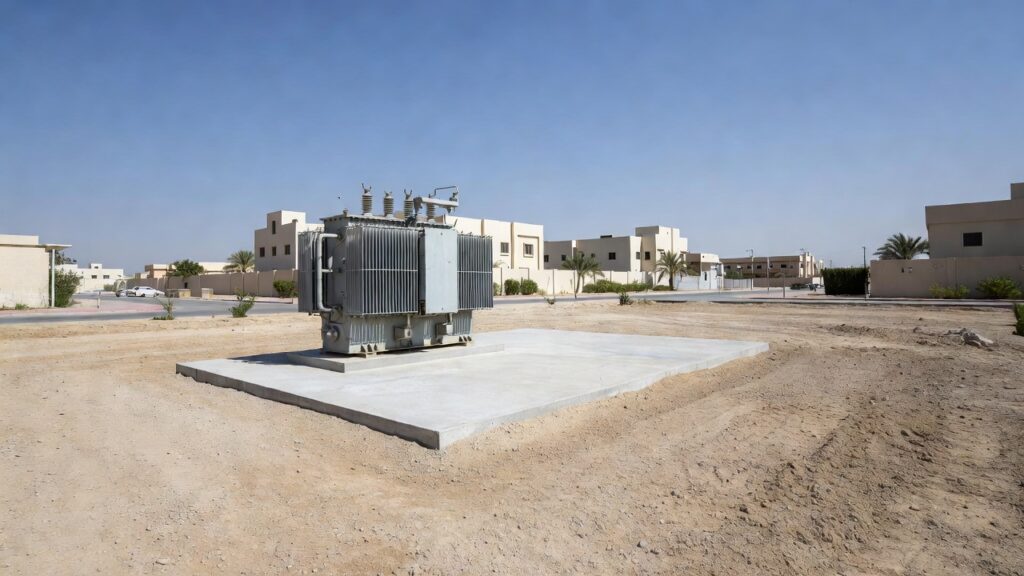
Trees situated beside an electricity transformer at the location were uprooted as part of the intervention. A porta cabin that had been erected on the site was subsequently lifted and moved to Mina Abdullah for appropriate handling. The municipality reported that these steps were completed with full regard for preserving the overall aesthetic appearance of the Fahaheel neighborhood.
This swift handling of the complaint exemplifies the branch’s approach to public reports, ensuring rapid resolution to maintain community standards. Kuwait Municipality maintains multiple channels for residents to submit concerns, including a dedicated application and hotline services that facilitate efficient reporting of violations. Figures from the municipality indicate that its public services emergency section alone processed 1,289 complaints during the month of June, demonstrating the volume of citizen engagement it manages on a regular basis.
The operation in Fahaheel forms part of wider initiatives by the authority to tackle encroachments and improve urban environments throughout Kuwait’s governorates. In a recent inspection tour of the Shuwaikh residential area, the head of the Violations Removal Department at the Capital Governorate branch, Suleiman Al-Ghais, stressed the importance of removing structures that extend onto public property in line with municipal laws. Kuwait Times reported that the campaign titled “Kuwait is More Beautiful Without Encroachments” continues to issue warnings and enforce compliance to prevent waste buildup and enhance residential aesthetics.
By addressing the specific issues raised in the Fahaheel complaint, officials helped eliminate features reported at the location while coordinating the transfer of materials away from the sensitive spot. The municipality’s emphasis on aesthetic considerations during such actions reflects its balanced methodology that combines enforcement with environmental sensitivity. Residents in areas like Ahmadi and Fahaheel are encouraged to utilize the available reporting mechanisms to support these ongoing efforts, according to municipal guidance.
Similar field campaigns have targeted mobile vending carts, abandoned vehicles and other violations in industrial zones, according to records of past operations. These coordinated activities aim to uphold regulations across commercial and residential spaces alike. The latest response on August 14 underscores the proactive stance taken by branch directors in handling individual cases promptly upon receipt of credible public input.