The October expo brings universities, vocational training and career routes into one programme, making the connection between education and employment its central question.
Mustaqbal is scheduled to open at Kuwait International Fair on 13 October with a programme that extends beyond university recruitment. Its advertised scope includes vocational education, professional skills, internships and student companies, putting several different routes into work alongside the conventional degree exhibition.
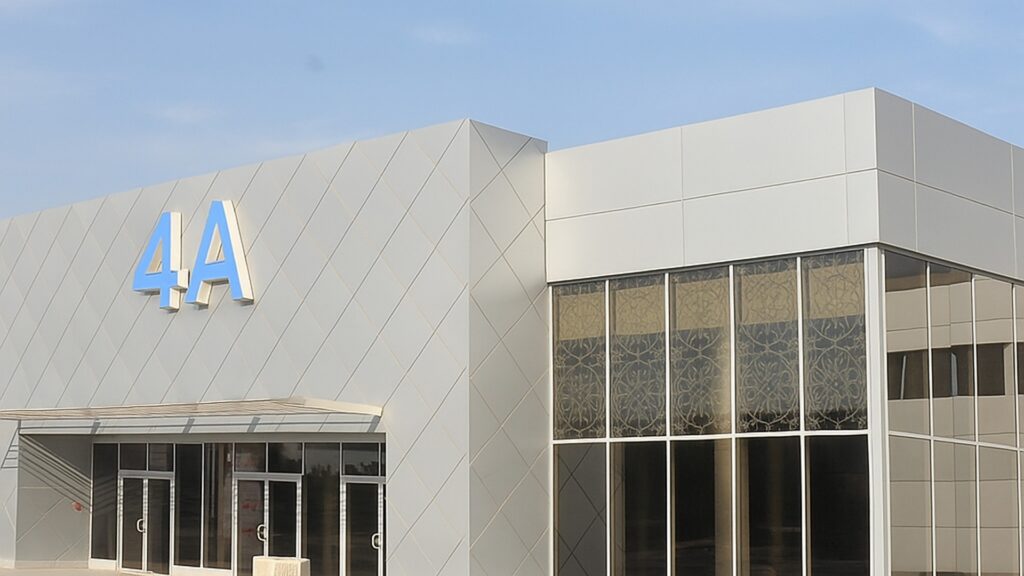
The three-day event runs until 15 October in Hall 4A. The organiser’s published schedule separates morning visits by schools and colleges from evening sessions for students with parents and for professionals. That division gives the exhibition two audiences: people making an initial education choice and those considering what follows it.
The distinction matters to the story. An exhibition can present an institution, a qualification or a potential employer in the same room without establishing that one leads to the next. Mustaqbal’s broader format places that relationship at the centre of the programme, but the published material does not yet measure the placements or education outcomes produced by it.
Beyond the university stand
The organiser lists universities, training institutes, schools, education consultancies, career-development organisations and companies offering internships or jobs among its exhibitor categories. Student businesses and incubation centres are included as well. These are categories of intended participation, rather than a verified count of organisations that will attend.
The range changes the kinds of conversations the floor can accommodate. A degree programme concerns several years of study. A vocational certificate may address a narrower skill. An internship concerns access to a workplace, while a student enterprise raises questions about building a business. Treating all four as interchangeable opportunities would obscure their different commitments and purposes.
For families, the practical information lies in the details behind each route: the qualification awarded, the institution responsible for it, entry requirements, the duration of study and the connection to further education or work. Those distinctions are more informative than a single count of participating stands, particularly when exhibitors serve different stages of a student’s development.
A timetable built around different decisions
Morning visiting hours are listed as 9am to 1pm, with evening sessions from 5pm to 8pm. The morning programme is directed at school and college groups; evenings are intended to include families and working adults. The event therefore combines organised student visits with a more individual process of comparison.
A school visit may introduce options that students have not previously considered. A family visit can involve questions about cost, location and the conditions attached to a course. For a professional, the relevant issue may be whether an additional qualification has a clear use in an existing occupation. The schedule recognises those different circumstances without establishing how much time or support each visitor will receive.
Mustaqbal’s use of the phrase human capability development is broader than admission to higher education. In the New Kuwait development framework, building people’s capabilities sits within a wider national development agenda. The exhibition presents itself in that context. Its role, however, remains an event-level one: bringing educational and career-related organisations into contact with prospective learners.
Where study meets a workplace
The inclusion of employers and internship providers is the most consequential part of that positioning. It creates a place to discuss how a course connects to actual work, rather than leaving the employment question until graduation. It also makes the specificity of an offer important. A general introduction to a company is different from an internship with defined responsibilities, supervision and a confirmed recruitment process.
Student companies add another route to the discussion. Their presence can make entrepreneurship visible as work undertaken by students, rather than simply a future aspiration. But an exhibition appearance does not show whether a venture has customers, continuing revenue or a plan beyond the event. Those would require separate reporting on the participating businesses.
This is why the event’s eventual value cannot be inferred from its advertised breadth alone. A useful account after the exhibition would identify which institutions and employers took part, what they offered and whether the contact continued. Attendance figures would describe the size of the gathering; they would not, on their own, describe the educational decisions or employment opportunities that followed.
What the October edition can establish
The Kuwait International Fair calendar provides the venue context for a busy autumn exhibition season. Mustaqbal enters that calendar with an unusually broad education brief. Its immediate test is therefore one of clarity: whether visitors can distinguish a school or university offer from training, career advice and a specific opening at an employer.
The organiser has published dates, visiting hours and participation categories. It has not published a verified total of resulting admissions, internships or jobs for this edition, which has yet to take place. Nor should the event be read as a government guarantee of every programme or career opportunity presented by an exhibitor.
When Hall 4A opens on 13 October, the most revealing reporting will be at the points where those categories meet: a training provider explaining the work its course prepares someone to do, an employer defining an internship, or a student company showing what it has built. Those encounters will give substance to an exhibition whose central proposition is to put education and its possible next steps in the same place.