The Al-Ujairi Scientific Center announced that Kuwait will begin the Al-Simak phase on October 29 marking a transition to cooler nighttime temperatures within the ongoing Wasim season that commenced on October 15. This second 13-day period in the 52-day astronomical division follows the initial Al-Awaa phase and aligns with the sun’s continued southward movement that gradually moderates temperatures. The center’s assessment draws on longstanding Kuwaiti meteorological tables that have tracked these seasonal markers for generations and anticipates shorter daylight hours alongside the cooling trend.
According to the Al-Ujairi Scientific Center the full Wasim season divides into four equal phases of 13 days each with Al-Simak traditionally signaling the start of winter clothing requirements especially after dark. The center reported that early characteristics include mild days paired with colder nights while bird migration patterns persist and the likelihood of rainfall rises to support vegetation growth. Such details come from the center’s press statements that reference both astronomical observations and historical weather patterns across the region.
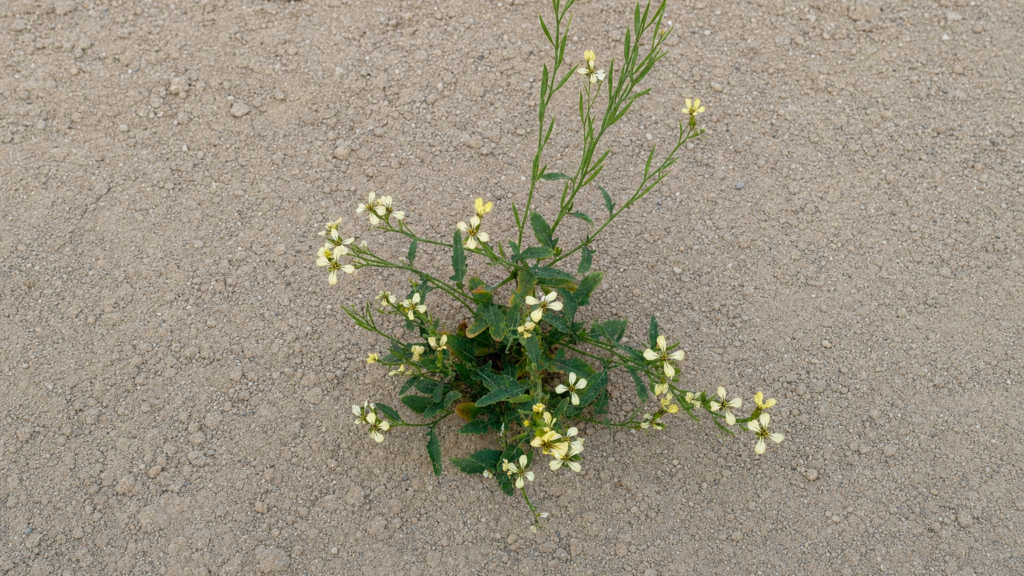
The Al-Ujairi Scientific Center noted that rainfall in this season often contributes to truffle emergence depending on precipitation volume while wild plants begin to germinate more readily. In a related assessment meteorologist Isa Ramadan told Kuwait Times that October temperatures had run above normal with Kuwait International Airport recording a high of 43 degrees Celsius on certain days. Ramadan attributed the delayed cooling to what he described as creeping seasons a pattern the Meteorological Department has observed through its network of monitoring stations.
Data compiled by the Al-Ujairi Scientific Center places the Al-Simak phase as a key marker where nighttime lows drop sufficiently to prompt behavioral changes among residents. The preceding Al-Awaa period from mid-October had already initiated milder daytime conditions yet the center indicated the October 29 shift will sharpen the contrast between day and night temperatures. This progression forms part of broader autumnal adjustments that local experts have documented in annual climatic reviews.
The Al-Ujairi Scientific Center highlighted that the remaining phases of Wasim will advance toward Al-Ghafra beginning November 11 and Al-Zubana on November 24 each contributing incremental declines in overall heat. Traditional tables referenced by the center associate Al-Simak specifically with increased humidity in early mornings and a higher chance of variable winds. Such forecasts build on the center’s role in providing astronomical and meteorological guidance that complements official bulletins from the Kuwait Meteorological Department.
Recent Meteorological Department readings cited by Ramadan show several stations across Kuwait logging maxima exceeding seasonal averages for October underscoring the variability in how these phases unfold. The Al-Ujairi Scientific Center maintains that despite short-term fluctuations the Al-Simak onset remains a reliable indicator for cooler evenings and preparation for further seasonal evolution. Its analysis integrates both modern recordings and centuries-old Kuwaiti star-based calendars that continue to inform public expectations.