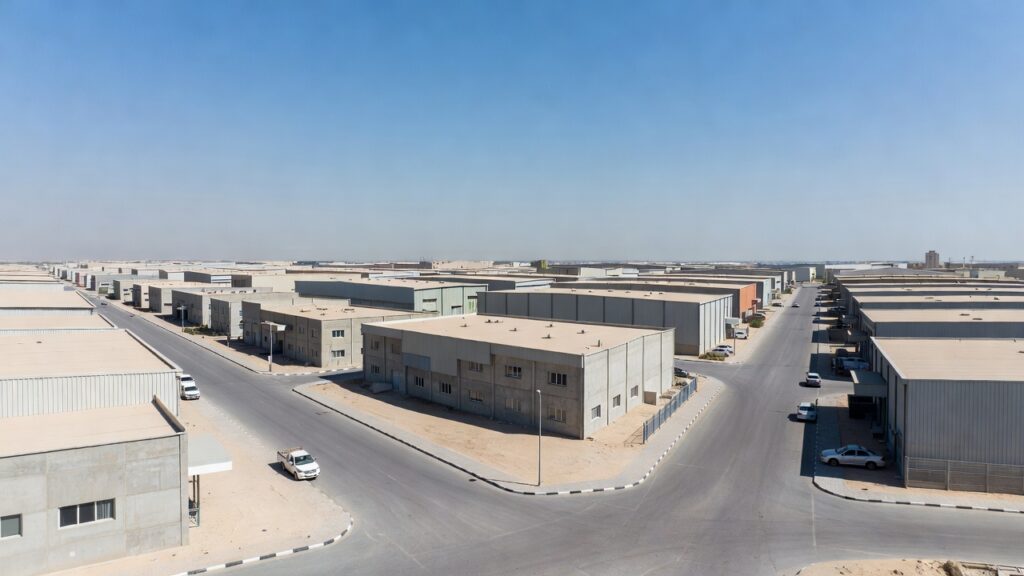
The Kuwait Municipality announced that its Ahmadi Governorate department conducted a wide-scale field campaign in the Fahaheel area to enforce regulations on public cleanliness and prevent unauthorized use of spaces. Inspectors issued 27 violations tied to space exploitation and hygiene breaches across the industrial zone during the operation. Municipal teams towed 60 abandoned cars and motorcycles from various locations as part of the drive to restore order. The campaign also saw the clearance of 15 loads of accumulated waste and discarded tires along with the removal of 19 unauthorized posters.
According to the municipality, the effort forms part of ongoing initiatives to maintain hygiene standards and curb visual pollution in residential and commercial districts of Ahmadi Governorate. Officials highlighted that such actions help address encroachments that affect urban appearance and public safety in busy industrial hubs. The department stressed the need for continued compliance among businesses operating in the area.
This municipal campaign in Fahaheel aligns with intensified oversight across Kuwaiti industrial zones, where multiple government bodies routinely coordinate on enforcement. The Kuwait Fire Force reported that a prior inspection in the same Fahaheel Industrial Area led to the administrative closure of 53 violating facilities and the issuance of 120 notices and warnings, according to a statement from the force. Those joint operations involved the ministries of electricity, water and renewable energy, commerce and industry, along with the Public Authority for Industry, Environment Public Authority and Kuwait Municipality.
Industrial areas such as Fahaheel host numerous workshops and commercial establishments that require regular monitoring to balance economic activity with regulatory demands. The Public Authority for Manpower has documented dozens of labor and safety violations in comparable zones like Shuwaikh during targeted inspections, authority figures show. Such data underscores the scale of compliance challenges in these key commercial districts.
Municipal teams focused on removing obstacles to public access and eliminating sources of environmental concern during the Fahaheel sweep. The operation targeted accumulations that could pose hazards or contribute to degradation in the governorate. Inspectors worked to ensure that affected sites met basic cleanliness requirements following the violations.
Kuwait Municipality has pursued similar drives in other governorates, resulting in the removal of abandoned vehicles and the issuance of hygiene fines on a recurring basis. These efforts reflect a systematic approach to preserving the functionality and appearance of industrial and commercial spaces nationwide.