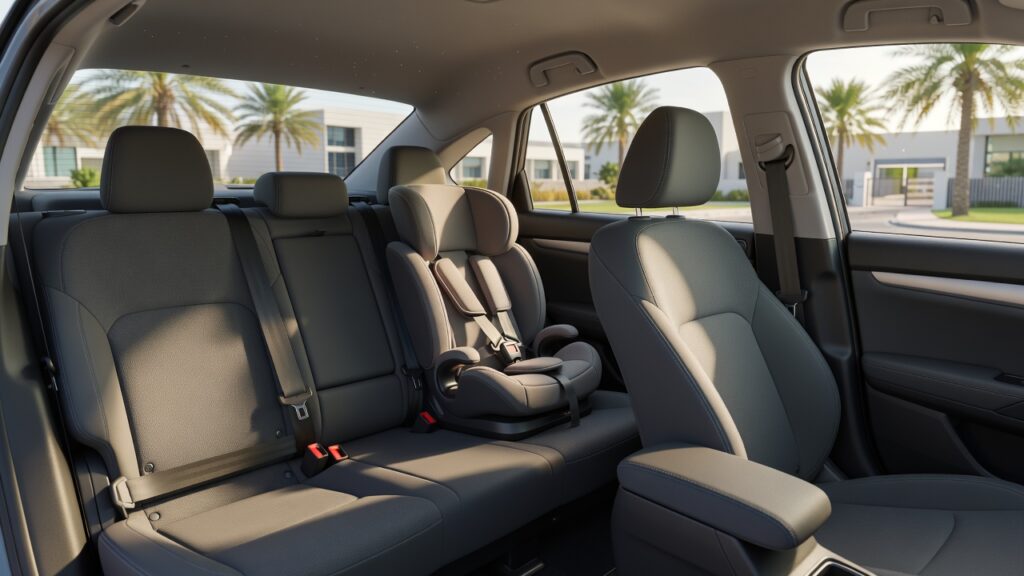
Major Musaed Al-Aslawi, who heads the traffic awareness section at the General Traffic Department, underlined the rules during an interview broadcast on Kuwait Radio. He said all occupants of a vehicle must fasten their seat belts at all times to protect against injury in the event of a collision. Al-Aslawi added that children below the age of 10 are required to sit in the back seats and be placed in age-appropriate safety seats or restraints. The official further advised drivers not to permit children to alight from the vehicle on the street side and to ensure they do not cross roads near schools without an adult escort.
The General Traffic Department has integrated these reminders into its back-to-school safety initiatives, according to Al-Aslawi. Such measures aim to address common risks faced by young passengers and pedestrians during peak school commute periods. The awareness drive aligns with ongoing efforts by the Ministry of Interior to elevate compliance with traffic regulations across the country.
Kuwait updated its traffic legislation through Decree-Law No. 5 of 2025, which the Ministry of Interior has cited in enforcement briefings. The law sets a fine of 30 dinars for failure to wear a seat belt and increases the penalty to 50 dinars for placing a child under 10 in the front seat or neglecting to secure the child properly in the rear. These penalties reflect a broader tightening of rules that also covers leaving young children unattended in parked vehicles, which can draw fines of up to 500 dinars or jail terms of six months if harm results.
The General Traffic Department has deployed artificial intelligence-equipped cameras on major roads to monitor seat belt usage, mobile phone distractions and underage children seated in front, according to earlier statements from the ministry. The cameras capture high-resolution images day or night and automatically flag violations for review before fines are issued to the vehicle owner in many cases. This technology supports the awareness messages by providing consistent enforcement that the department says has already begun to influence driver behavior.
Regional road safety data compiled by the World Health Organization indicates that Kuwait maintains legislation requiring seat belts for front-seat occupants while child restraint rules have been strengthened in recent years. The 2025 legal amendments brought Kuwait closer to international benchmarks on child passenger protection that several Gulf states have adopted. Al-Aslawi’s radio remarks serve as a timely reinforcement of these standards as families adjust to new school schedules and increased traffic volumes.