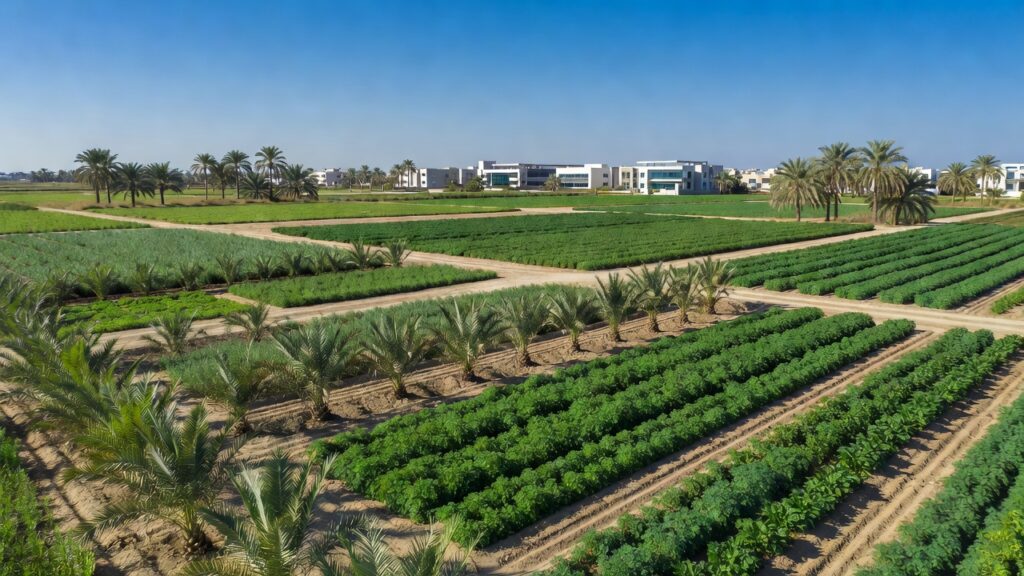
The acting governor of Mubarak Al-Kabeer and Hawally, Sheikh Sabah Bader Sabah Al-Salem, met with residents on July 8 to discuss the state’s ongoing campaign against encroachments on public property. Engineer Hamoud Al-Mutairi, director of Mubarak Al-Kabeer Municipality, who attended the gathering alongside Kuwait Municipality representatives, emphasized that the initiative complies fully with applicable laws while addressing public concerns. Al-Mutairi made clear that the effort centers on eliminating violations rather than interfering with permitted agricultural work.
According to the municipality director, Kuwait Municipality regulations specify exact setback distances and maximum heights for landscaping features around properties. Removal actions target unauthorized fences, planted trees and other infringing structures identified through electronic monitoring systems. The regulations receive uniform enforcement across all parties, Al-Mutairi added, extending even to cases involving persons with disabilities.
Kuwait Municipality has extended the anti-encroachment operations to the coastal areas of Abu Al-Hasaniya and Messila, where teams coordinate with the Public Authority for Agriculture Affairs and Fish Resources and the Environment Public Authority to clear neglected vegetation. The Ministry of Islamic Affairs separately manages any encroachments found on mosque grounds throughout the country. This multi-agency approach ensures comprehensive coverage of state-owned lands while respecting specialized jurisdictions.
The municipality director pointed to established licensing rules for telecommunications towers that provide operators a defined grace period to bring installations into compliance. He urged all residents to work with municipal inspectors by clearing debris from their premises and directing waste to approved disposal sites. Such cooperation, Al-Mutairi noted, facilitates smoother execution of the regulatory requirements.
This latest clarification follows the conclusion of a two-week grace period that Kuwait Municipality had granted to property owners, after which removal teams began operating across multiple governorates in late June 2026. Municipal teams have since dismantled violating structures in districts including Hateen, Salam, Daiya, Jahra and Hawally as part of enforcing a 2007 ministerial resolution on land use. The authority’s data from previous similar operations indicated that initial clearances often represent a small percentage of overall identified violations.
Municipal officials have described the campaign as essential for reducing visual pollution, preserving emergency vehicle corridors and protecting buried utilities and electrical equipment from damage. In one documented sweep last year, crews cleared approximately 100 unauthorized sites according to municipal tallies. The ongoing drive builds on those precedents by maintaining consistent pressure on non-compliant uses of public land.
The Public Authority for Agriculture Affairs and Fish Resources continues its separate enforcement in agricultural zones such as Al-Wafra, where power supplies face disconnection for plots failing to meet operational standards. This targeted measure supports the broader goal of proper land utilization without disrupting the sector’s compliant producers. Coordination between the municipality and the agriculture authority helps align efforts across overlapping regulatory areas.