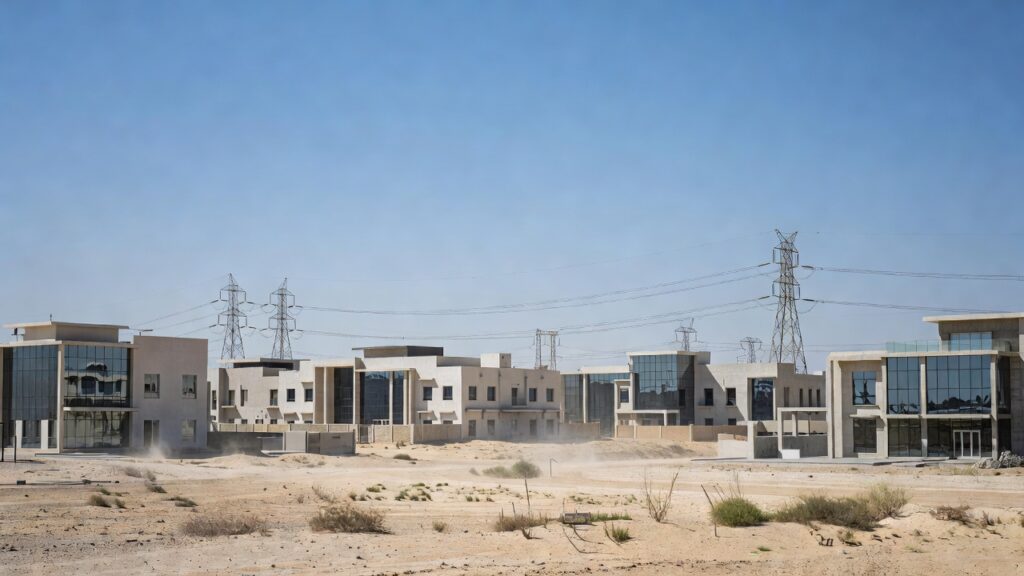
The Ministry of Electricity, Water and Renewable Energy announced complete restoration of power to all impacted zones in Hawally and Mubarak Al-Kabeer on September 6, 2026, following a technical malfunction that took several main transformer stations offline. Emergency crews reached the sites immediately upon receiving reports of the fault and worked to reinstate service without extended delays for residents or businesses. The ministry noted in its statement that the affected transformer stations had returned to full operation, ending the disruption that struck scattered locations across the two governorates earlier in the day.
A ministry statement distributed through KUNA detailed how the malfunction prompted the temporary outages, with field teams focusing on diagnostic work and repairs to bring the stations back online as rapidly as possible. The update thanked citizens and residents for their cooperation and understanding while crews operated in the field. This response aligned with standard emergency protocols the ministry has applied in comparable situations over recent years.
Ministry of Electricity, Water and Renewable Energy figures from June 2025 recorded a national peak load of 17,520 megawatts amid elevated summer temperatures, illustrating the pressures that can contribute to such incidents. Residential demand forms a substantial portion of total consumption, a pattern confirmed in multiple ministry assessments that link higher usage in governorates like Hawally to overall grid load. The latest restoration follows a series of similar technical events that have tested response times in the same areas.
Comparable outages occurred in Hawally and nearby districts in 2024 after sub-feeder failures at a primary transformer station, according to earlier ministry reports, with power reinstated within a short window in each case. The authority has maintained a program of scheduled maintenance and monitoring to limit unplanned disruptions, though unexpected faults still arise during periods of high demand. Regional interconnections via the Gulf Cooperation Council Interconnection Authority have supplied supplemental power averaging hundreds of megawatts per day during prior peaks, helping buffer domestic generation shortfalls.
The ministry has connected more than 600 new customers across various sectors in a single recent month, adding further load to the network as urban growth continues. Officials have repeatedly called for conservation during peak afternoon hours to ease strain on the system and reduce the likelihood of faults cascading. Ongoing upgrades to generation and distribution assets form part of a longer-term strategy to accommodate rising consumption that has seen annual peaks climb steadily.
Kuwait’s overall electricity framework relies on a mix of local production and imported support during stress periods, with the ministry tracking consumption patterns across its six governorates to refine operational planning. Data from prior summer seasons shows residential villas in areas such as Mubarak Al-Kabeer averaging several thousand kilowatt-hours monthly, a benchmark that rises sharply with extreme heat. The swift resolution of Sunday’s outage demonstrates the effectiveness of deployed emergency resources in maintaining service continuity.